
Data Integration

PDM to ERP
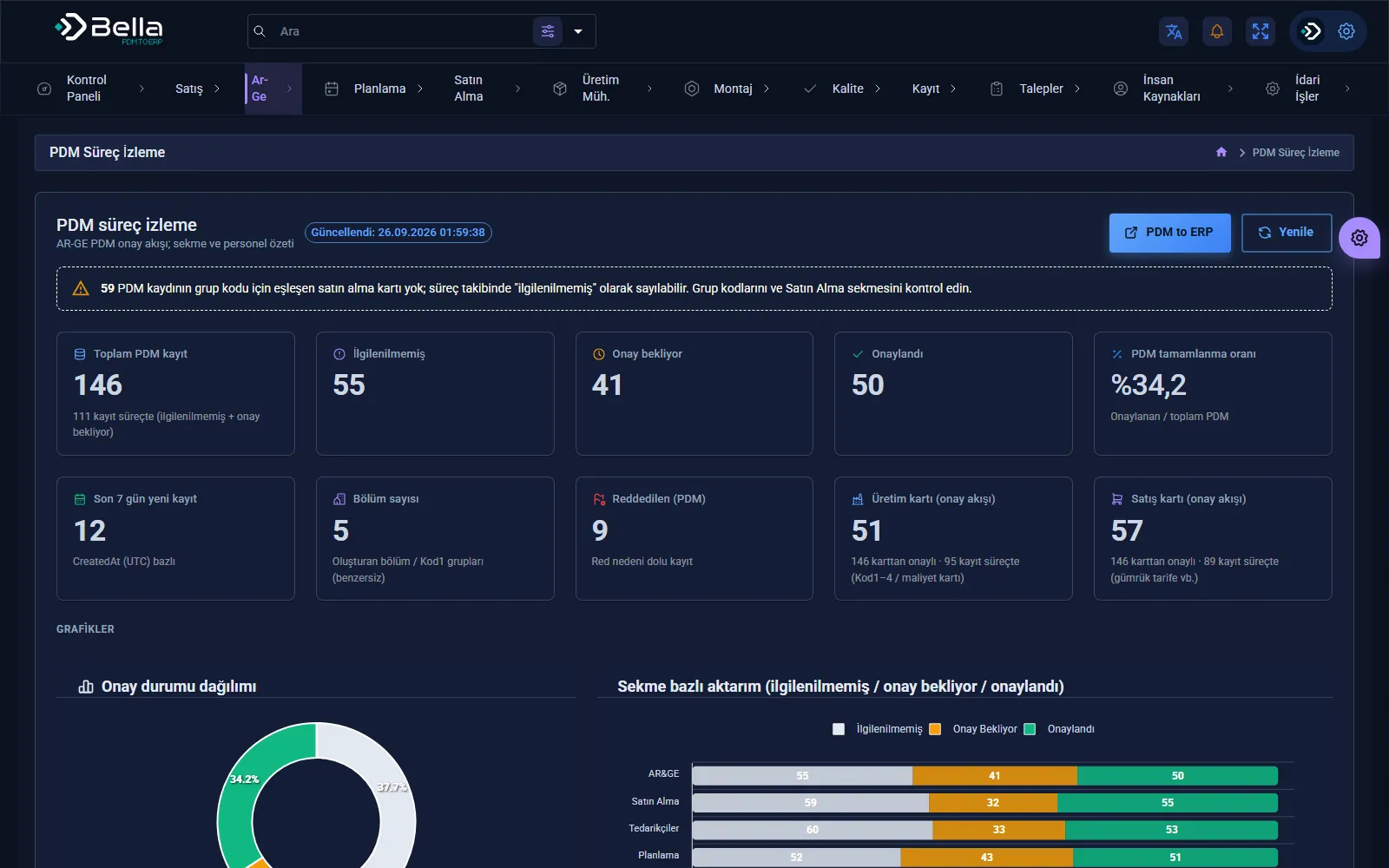
A middleware layer that moves the product structure from design into the ERP, rule-based and traceable.
PDM / PLMERPProduct Structure
RulesMapping
RevisionControl
LogTraceability
RPA is software that takes over what a person does on screen. It's a lifesaver for old systems that can't be changed — but it isn't the right tool for every repetitive task.
Robotic process automation connects to a system through its interface rather than an API: it clicks, types, downloads files. That's why it can work even with old applications whose source code is inaccessible and which have no integration endpoint.
If the other side has a proper API, using RPA adds unnecessary fragility; when an update moves a button, the robot stops. So we look at integration options first and recommend RPA only where it's really needed.
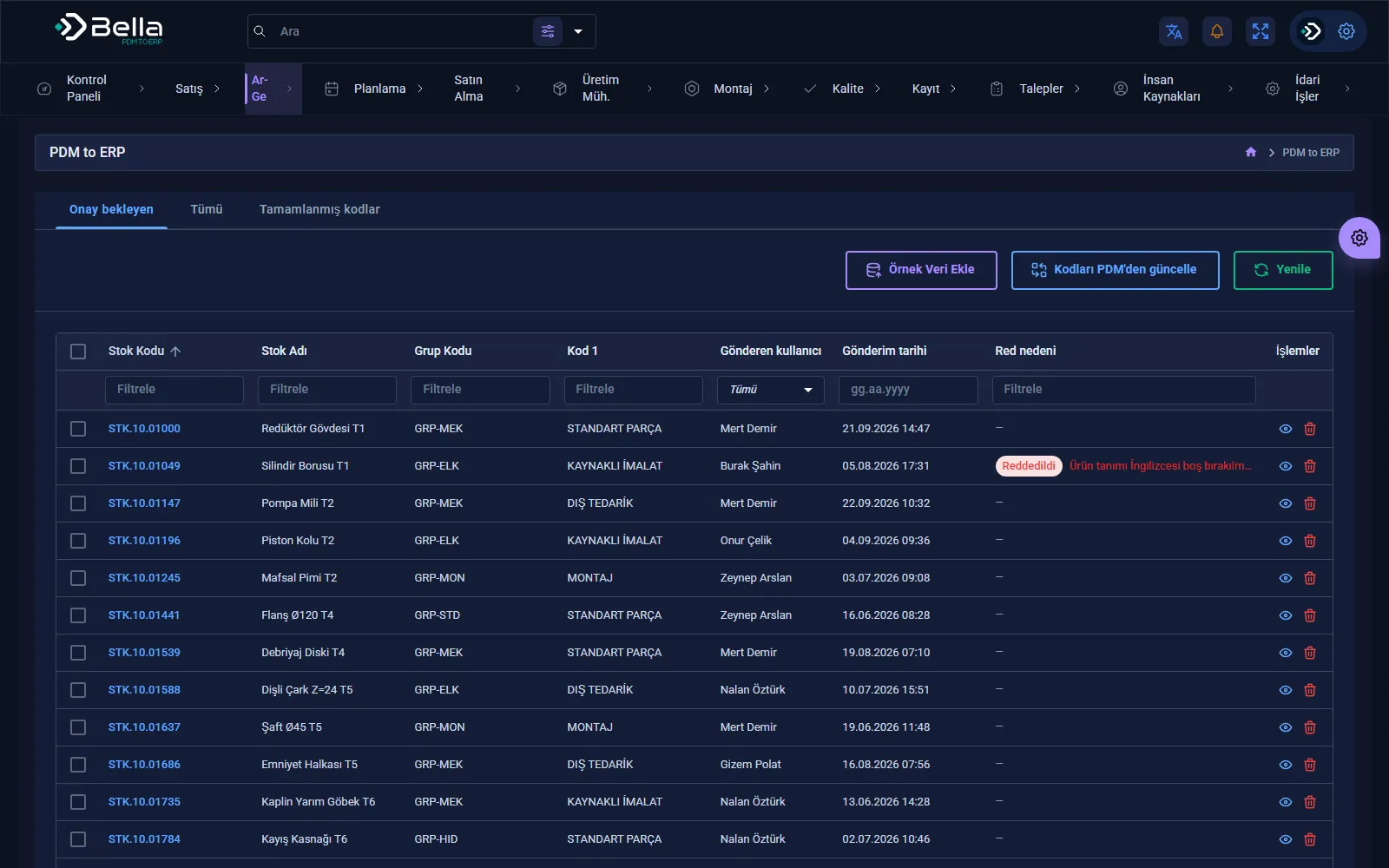
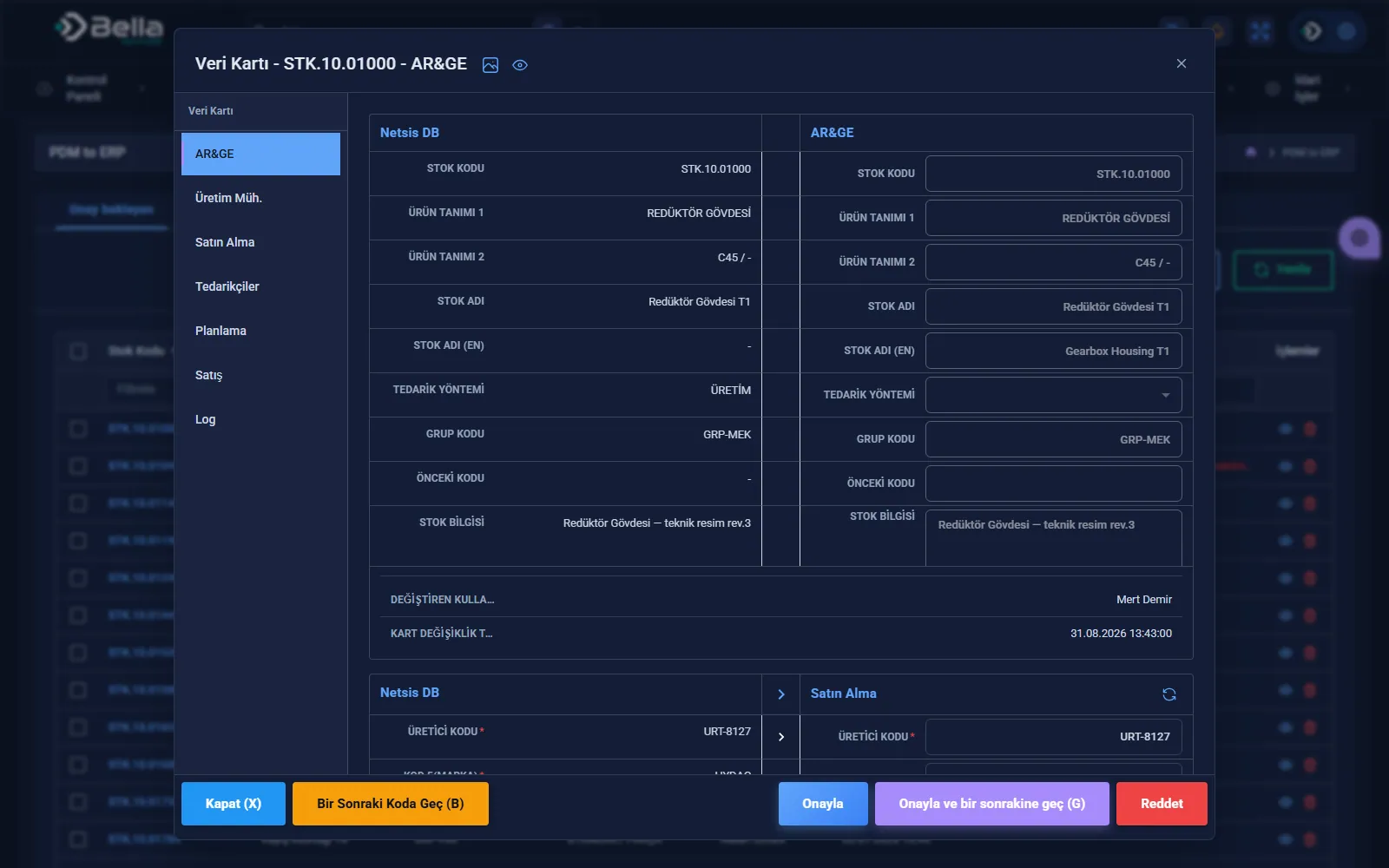
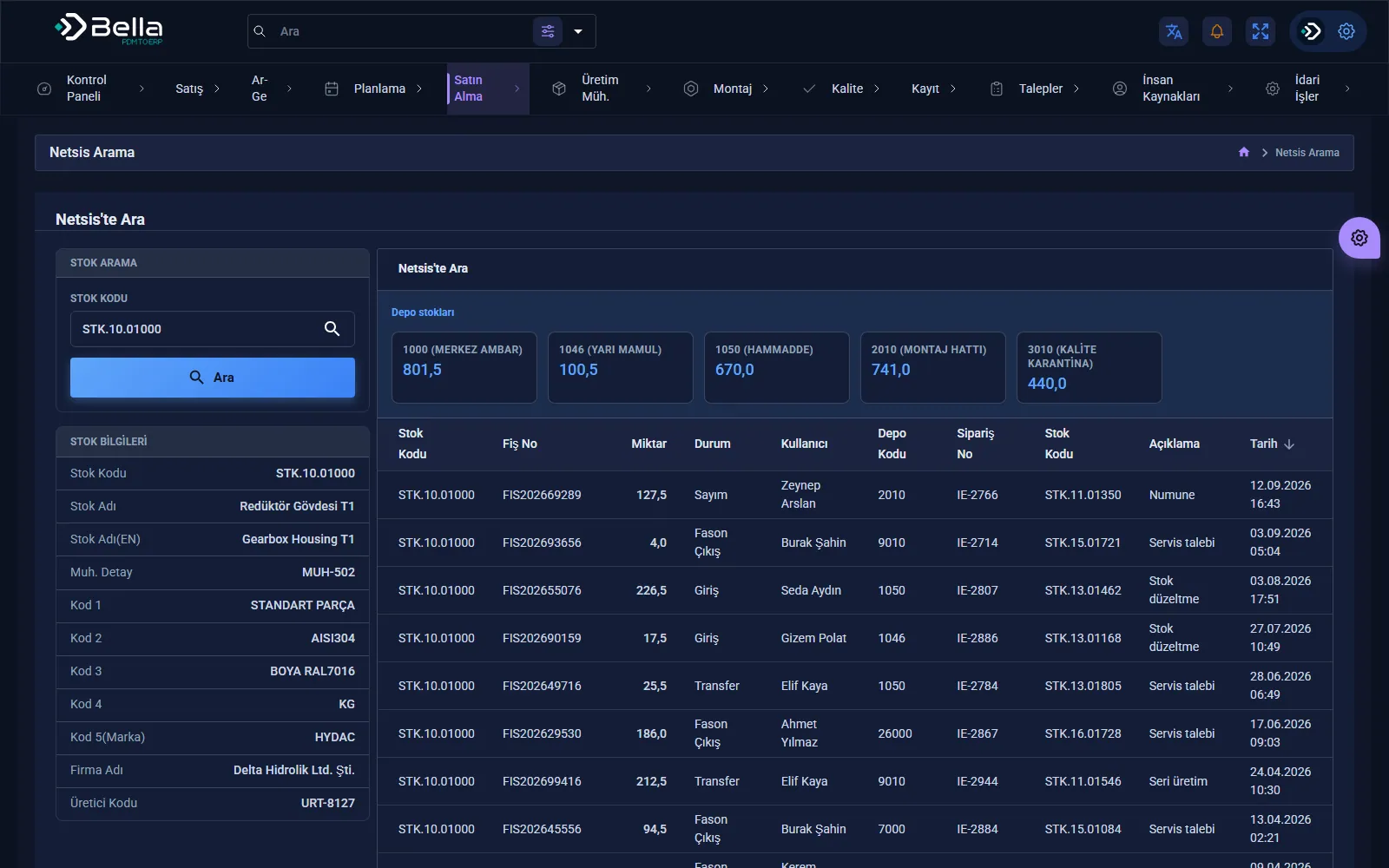
A middleware layer that moves the product structure from design into the ERP, rule-based and traceable.
Integration, if the other side has an API. We recommend RPA for legacy systems that can't be changed, short-lived needs and temporary bridges. If a long-lived connection is being built, an API is the more robust foundation.
Interface automation depends on screen layout — that's a fact. That's why the robot doesn't carry on when it meets an unexpected screen; it stops and sends a notification. Stopping is preferable to doing the wrong thing.
We'll listen to your current situation and work out together where to start.