AI Solutions · Ankara

AI shouldn't be a demo; it should be a working part.AI Solutions

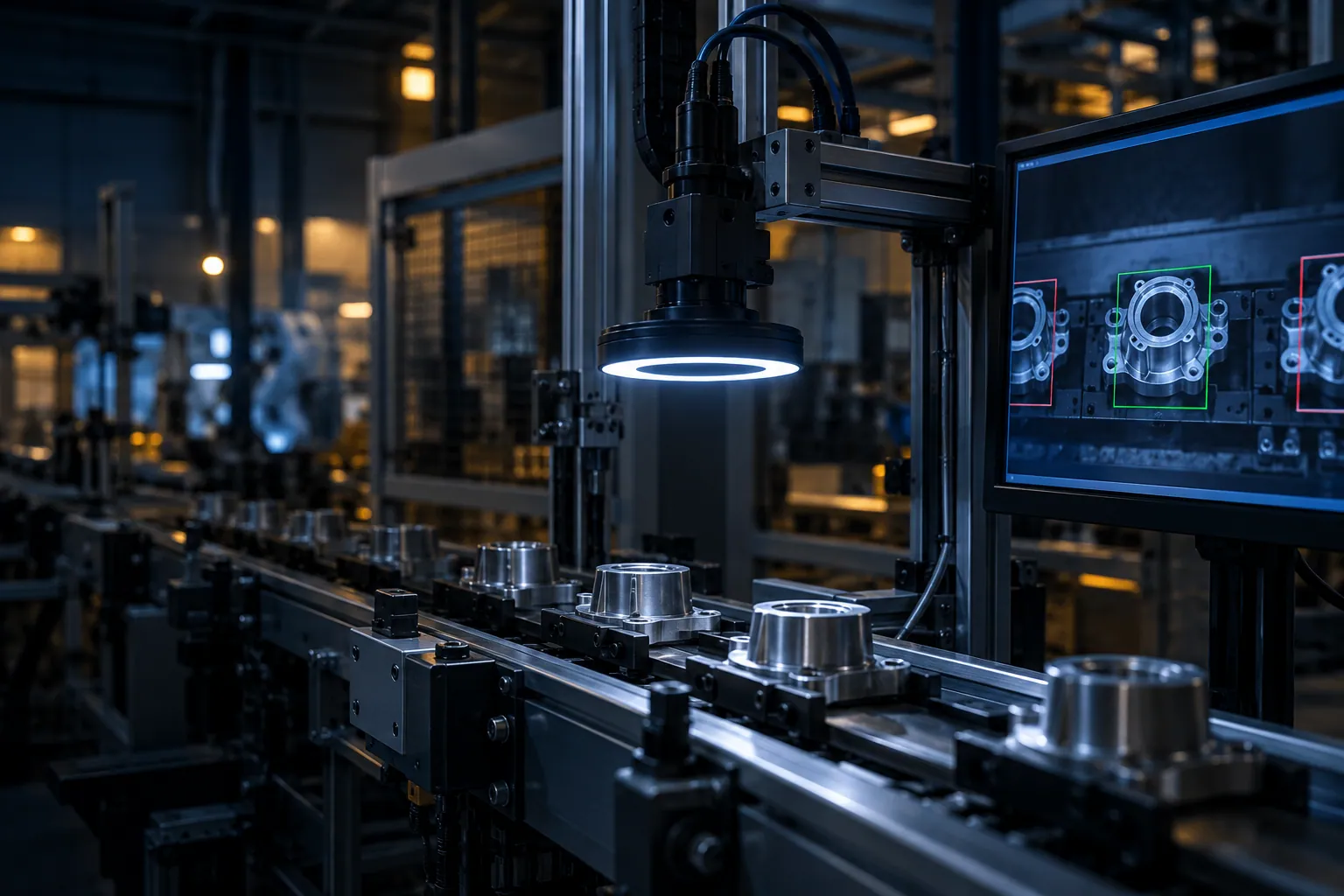
We put AI inside the work, where decisions are made: an assistant that answers customers, a flow that extracts data from documents, a model that catches the early signs of a failure.

Document processingChat assistantClassificationForecastingComputer visionHuman approval

Most AI projects get stuck at an impressive demo. What works in a presentation breaks once it enters daily work, because real data is messy, users type unexpected things and nobody has defined what happens when it's wrong.

Here's where we look: which decision does the model's output feed, what happens when it's wrong, and who notices? No model goes into production until these three questions are answered.

If this sounds familiar

  • The team reads incoming invoices or documents and enters them into the system by hand.
  • The support team answers the same questions again every day.
  • The knowledge exists inside the company, but finding the right document means asking someone.
  • Incoming requests and emails are read by hand and passed to the right team.
  • AI was tried; the demo looked great but it never made it into daily work.

What it covers

Data extraction from documentsStructured data from invoices, waybills, quotes and technical documents. Low-confidence results go to human approval.
Chat assistantAn assistant that works on the organization's own documents, shows its sources and says so when it doesn't know.
Classification and routingIncoming requests, fault reports or e-mails routed automatically to the right team.
Predictive maintenanceWear signals from measurements such as vibration, temperature and current. Automatic work orders when thresholds are exceeded.
Human approval pointFor critical decisions the process is handed to a person. The robot prepares, the person approves, the system completes.
Measurement and monitoringThe model's performance in the field is measured continuously; degradation doesn't happen silently.

Example scenarios

Illustrative examples; the specifics are worked out during discovery at your site.

DocumentsFrom incoming invoice to recordSupplier, amount, tax and line items are extracted from a PDF or scanned invoice; low-confidence fields are flagged for approval and the approved record goes to accounting.
SupportClassifying and routing requestsAn incoming email or form is classified by topic, urgency is flagged and it lands in the right team's queue; uncertain items stay for manual routing.
InternalAn assistant that knows your proceduresAn employee asks about a quality procedure or technical document; the answer comes with its source, and on topics not in the documents the assistant says it doesn't know.

DNAEksper screens

DNAEksper page →
DNAEksper — Main dashboard
Main dashboard
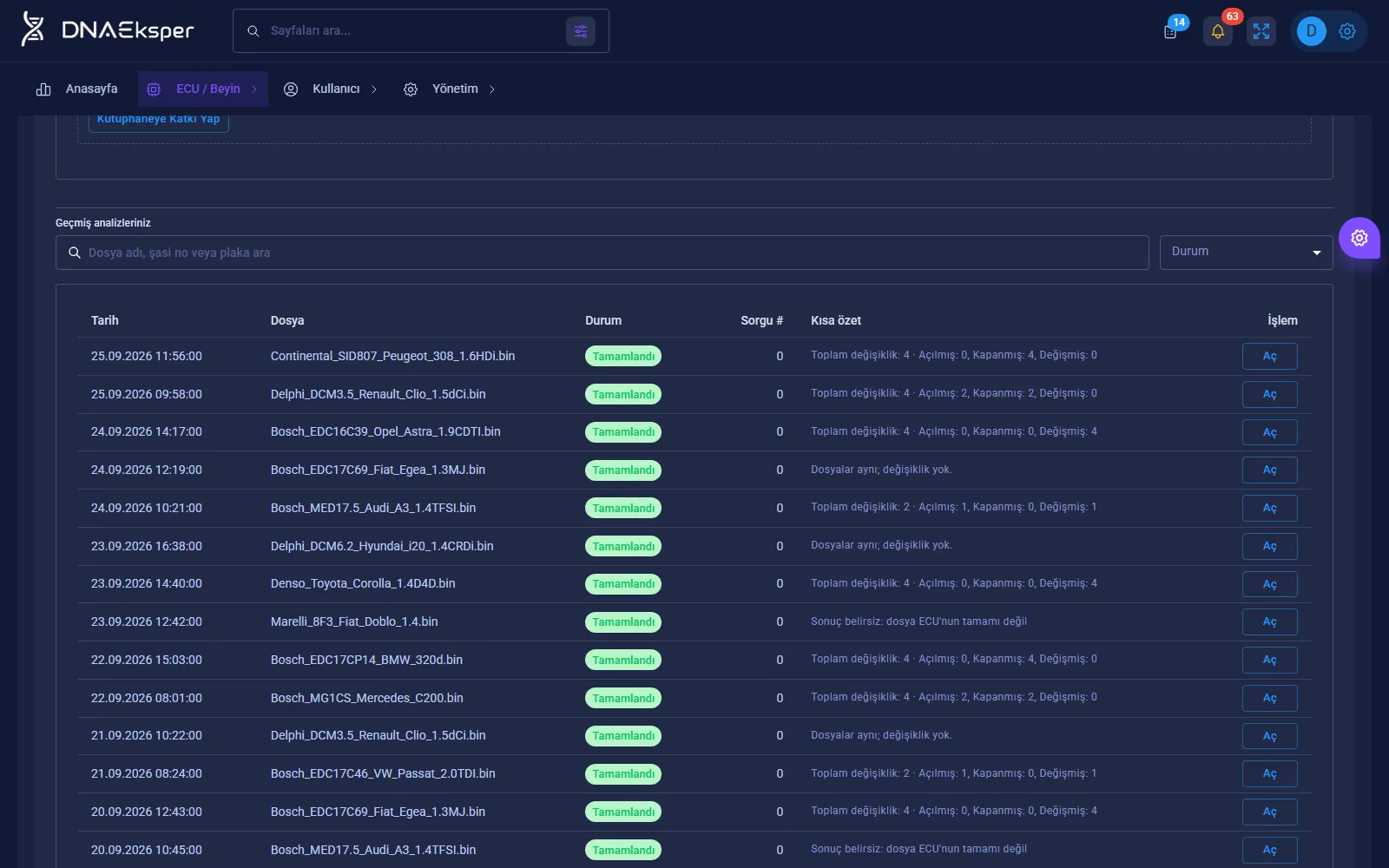
DNAEksper — Analysis history
Analysis history
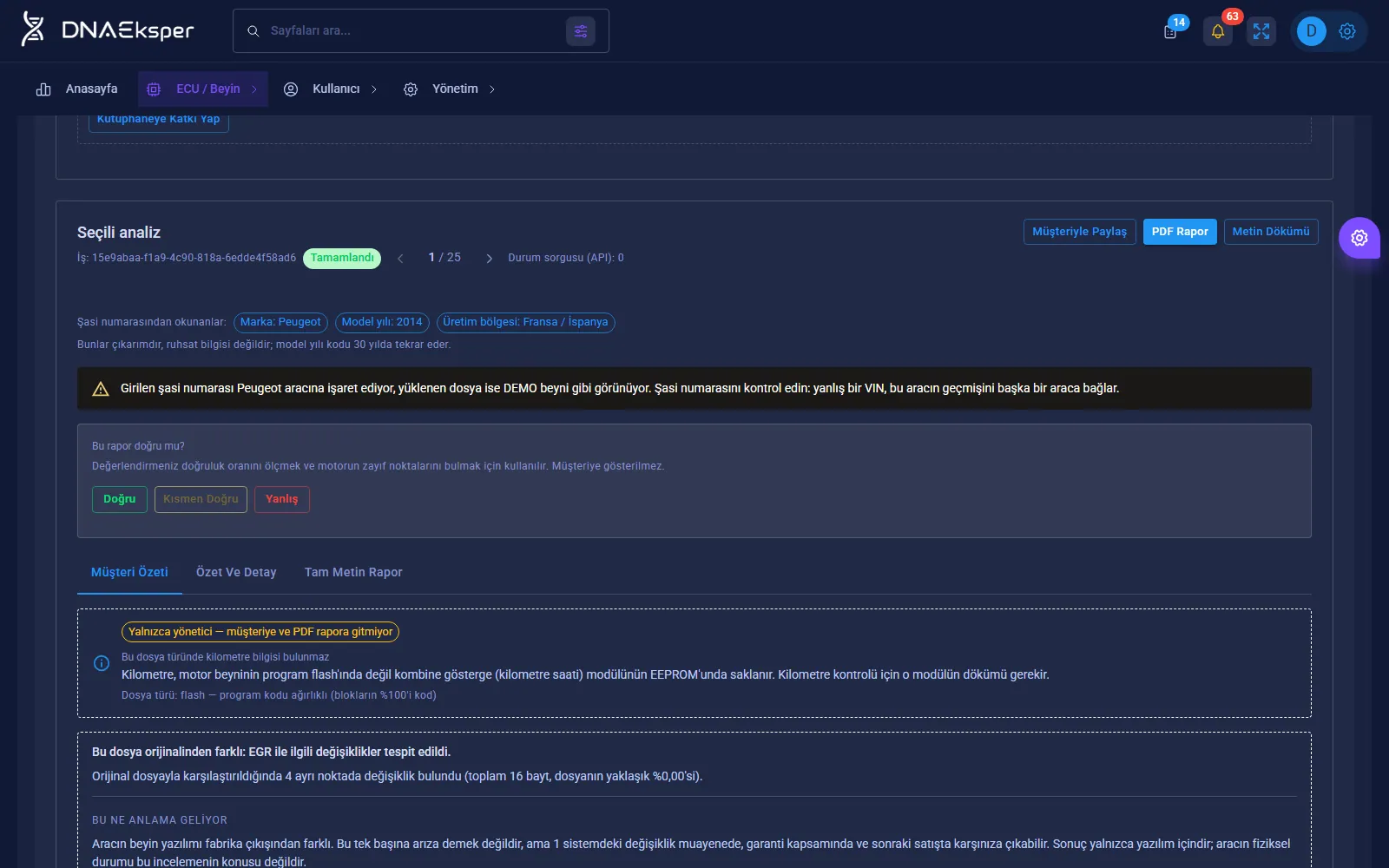
DNAEksper — Analysis details
Analysis details
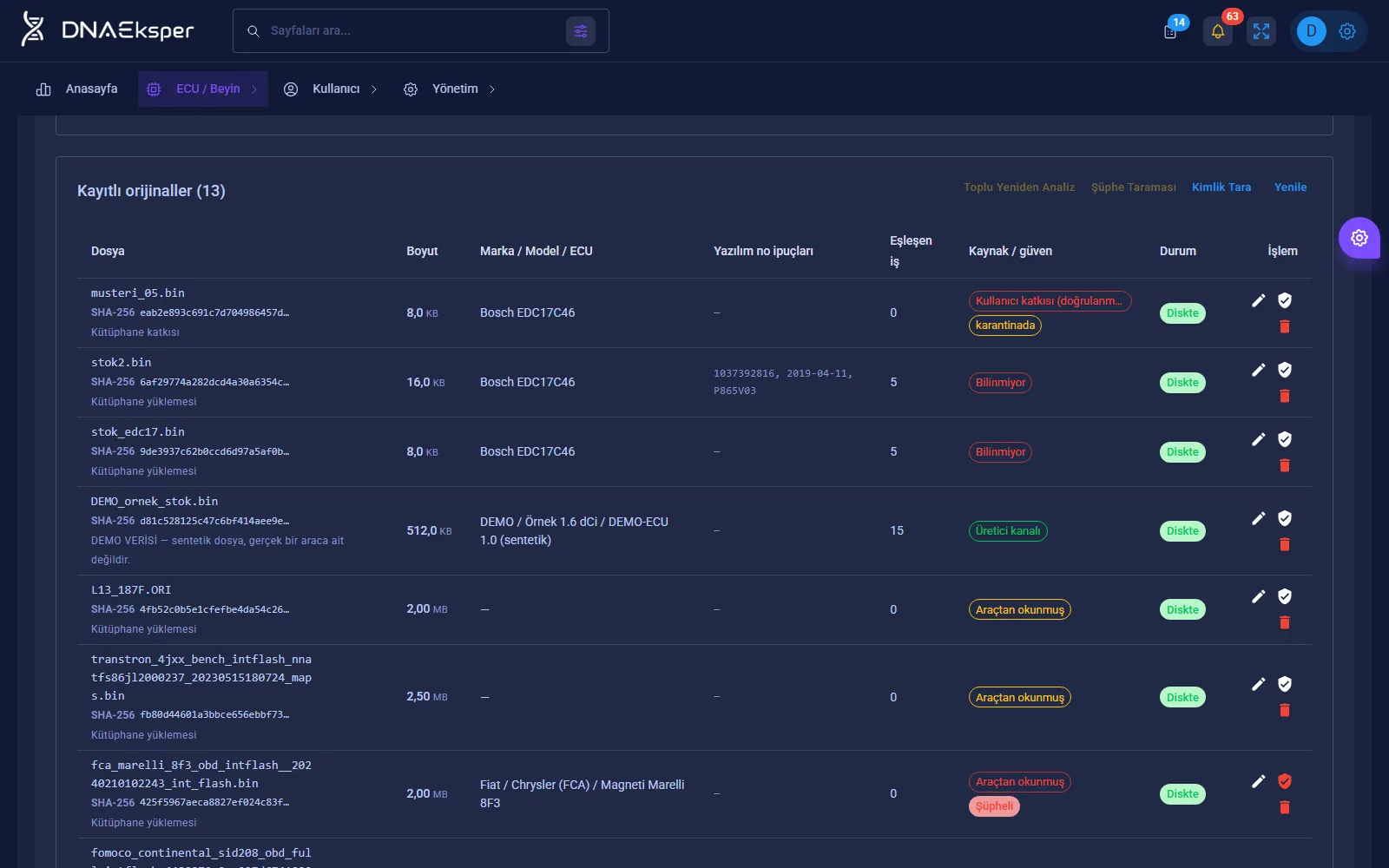
DNAEksper — Reference library
Reference library

What we deliver

  • Definition of the decision point the model feeds and the cost of an error
  • Performance report measured on your existing data
  • Pilot flow working together with a human approval screen
  • Monitoring and feedback setup where every output is logged
  • Data flow document showing where data is processed and where it goes

How we proceed

1 · Find the decision pointWhich decision the model's output will feed is made concrete.
2 · Data realityWhat's available, how clean it is, whether it's labelled. Most projects get reshaped here.
3 · Narrow pilotRunning in a single process, together with human approval.
4 · Gradual openingAs performance is measured, the share of automatic decisions is increased.

When it's the right choice

  • You have high-volume, repetitive work whose output can be checked.
  • A flow can be set up in which a person can catch a wrong output.
  • You have past examples of the work (documents, records, answers).

When it's not the right choice

  • If a decision whose errors can't be undone is expected to be fully automatic.
  • If a rule or a simple query already solves the problem — no model is needed.
  • If data must never leave the company and no on-premise infrastructure can be allocated; this narrows the scope and has to be discussed up front.

Key products for this industry

Automotive Analysis

DNAEksper

A system that analyses ECU software files and produces a structured inspection report.

AnalysisIntegrityReport
AutomaticFile analysis
HashIntegrity
WebhookReport delivery
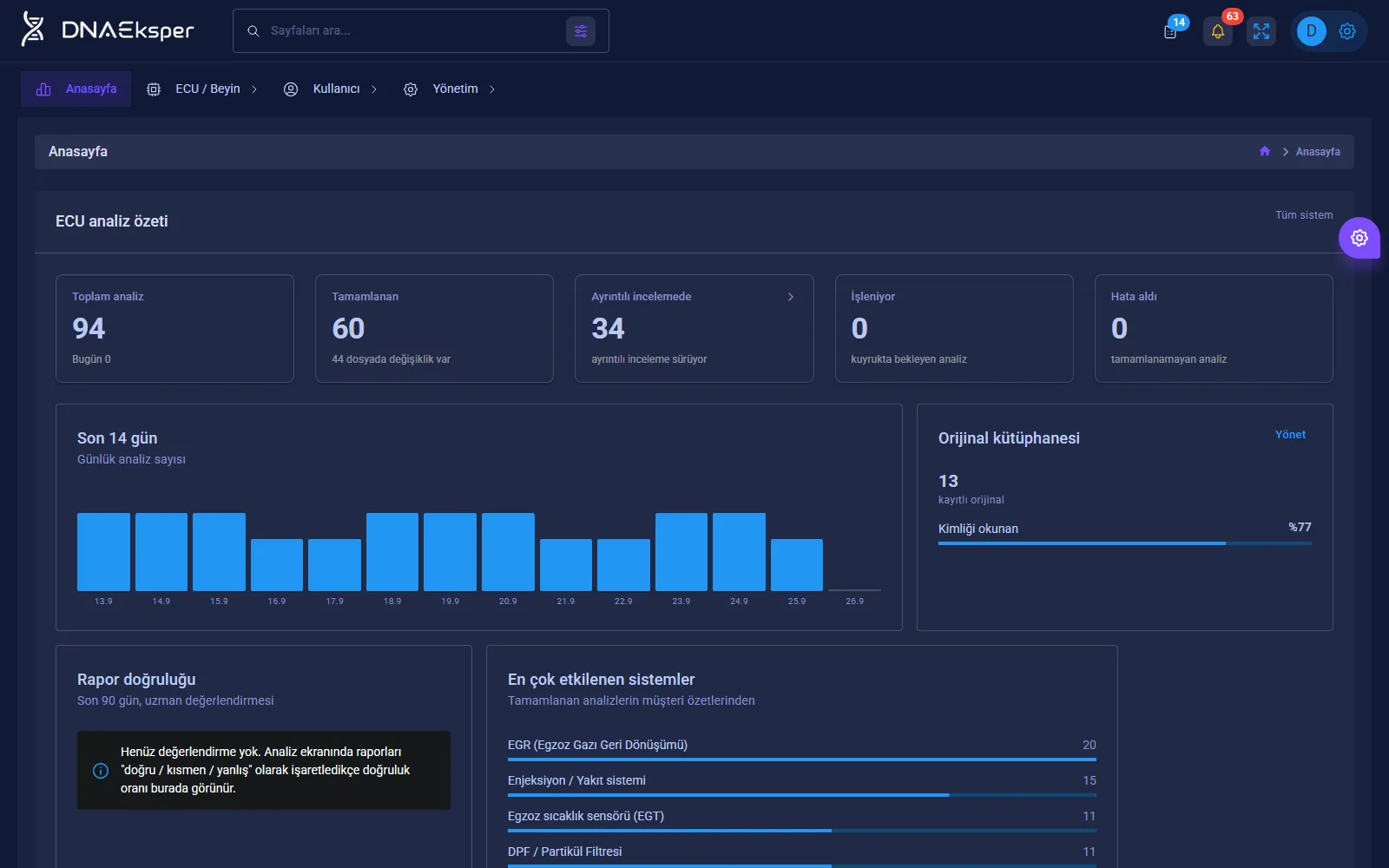
DNAEksper — screenshot

Frequently asked

Does our data leave the company for model training?

This is set in writing at the start of the project. Where company data must not leave, models running on-premise are preferred; if an external service is used, exactly which data goes out is clearly defined.

What happens if the model gives a wrong answer?

The design accounts for it: low-confidence outputs go to human approval, critical decisions aren't applied automatically and every output is logged. Being able to notice an error matters as much as the model's accuracy.

Does it work with our own data?

Yes — designs that work are usually built on the organization's own documents and records. An assistant answering from general knowledge produces nothing useful for most business questions.

Let's talk about this.

We'll listen to your current situation and work out together where to start.