Computer Vision

Computer Vision and Object Recognition

We build computer vision and object recognition systems that turn camera images into measurements, counts and decisions.

Object Detection and CountingVisual Quality InspectionPlate and Label Reading (OCR)Barcode and QR ReadingMotion and Zone AnalysisModels Running on Edge Devices

Rejecting a defective part on the line, counting vehicles or people on site, reading a plate or a label: most of these checks are still done by the human eye. Computer vision makes that check continuous, consistent and recorded.

The hard part is usually the site, not the model: lighting, camera angle, speed, dust and vibration. That's why we start with camera and lighting selection and handle the model, the software that uses the result and the integration with your existing systems together.

How we work

Site and camera surveyLight, angle, distance and speed are measured; camera and lighting are chosen accordingly.
Data collection and labellingA training set is built from real line and site images.
Model developmentDetection, classification or segmentation, balancing accuracy with speed and hardware.
Edge or serverWhere images must not leave the site, the model runs on the device on site.
Decision and integrationResults feed the PLC, SCADA, ERP or an alarm — they don't just sit on a screen.
Monitoring and improvementWrong decisions are logged and the model is regularly updated with new examples.

What we deliver

  • Site survey report with camera, lens and lighting recommendations
  • Labelled dataset built from real images
  • Detection / classification model tested against acceptance criteria
  • Operator screen that shows and records results
  • Integration with PLC, SCADA or ERP
  • Accuracy monitoring report and retraining method

How we proceed

1 · Goal and acceptance criteriaWhat to detect and at what accuracy it is accepted are written down.
2 · Site trialA short capture tests image quality and lighting conditions.
3 · Data and modelTraining on real images, tested against the acceptance criteria.
4 · PilotOne line or one point, running in parallel with human checks.
5 · Roll-outExpansion to other points based on pilot results; monitoring becomes routine.

When it's the right choice

  • A check is done by eye, repeatedly and at high volume
  • Catching an error late is costly (scrap, returns, customer complaints)
  • Events such as counts, readings or zone violations need to be recorded

When it's not the right choice

  • The defect you're looking for isn't visible to a camera (internal structure, or below the resolution)
  • The same information is already available from a sensor, barcode or system record
  • Collecting sample images isn't possible

Products we use in this service

Industrial Operations

Bella SCADA

Browser-based real-time monitoring and control for critical infrastructure.

MonitoringControlAlarms
OPC UAProtocol
ModbusField connectivity
WebNo client
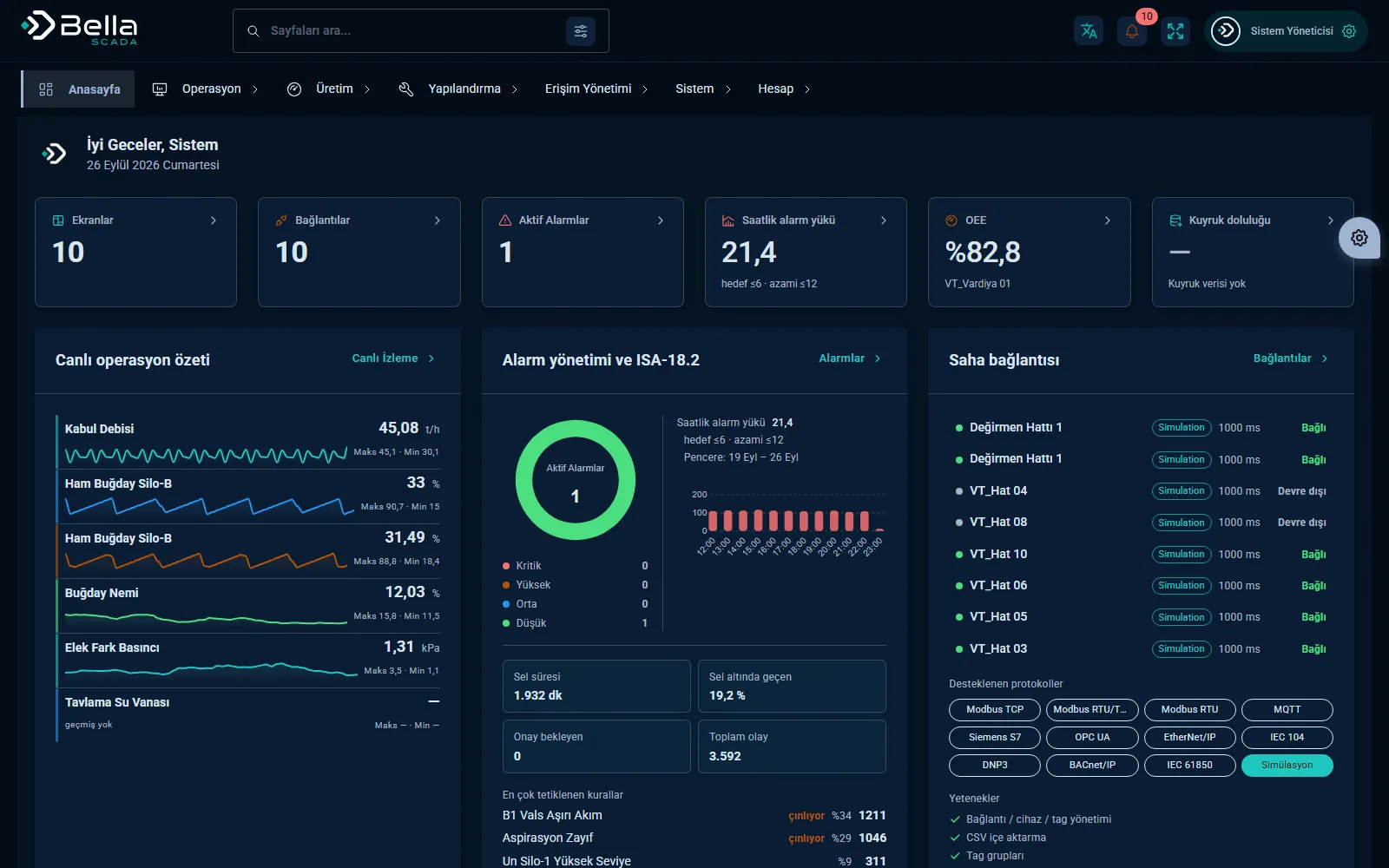
Bella SCADA — screenshot
Maintenance & Asset Management

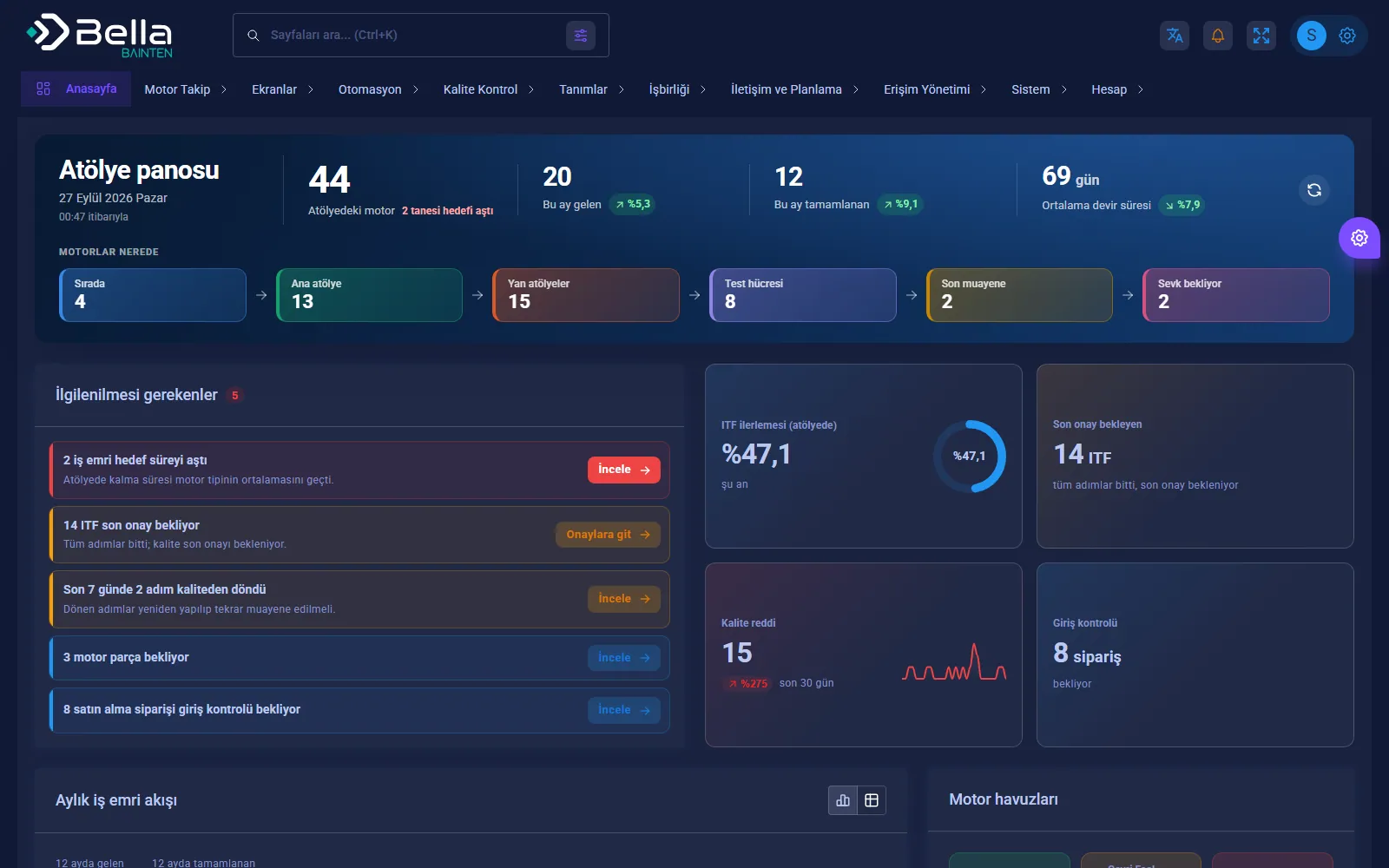
Bainten

Maintenance management that brings equipment, maintenance plans and failure history together in one place.
Maintenance PlanWork OrderAssets
PeriodicMaintenance
MobileField entry
BarcodeAsset tracking
Bainten — screenshot
Field Operations

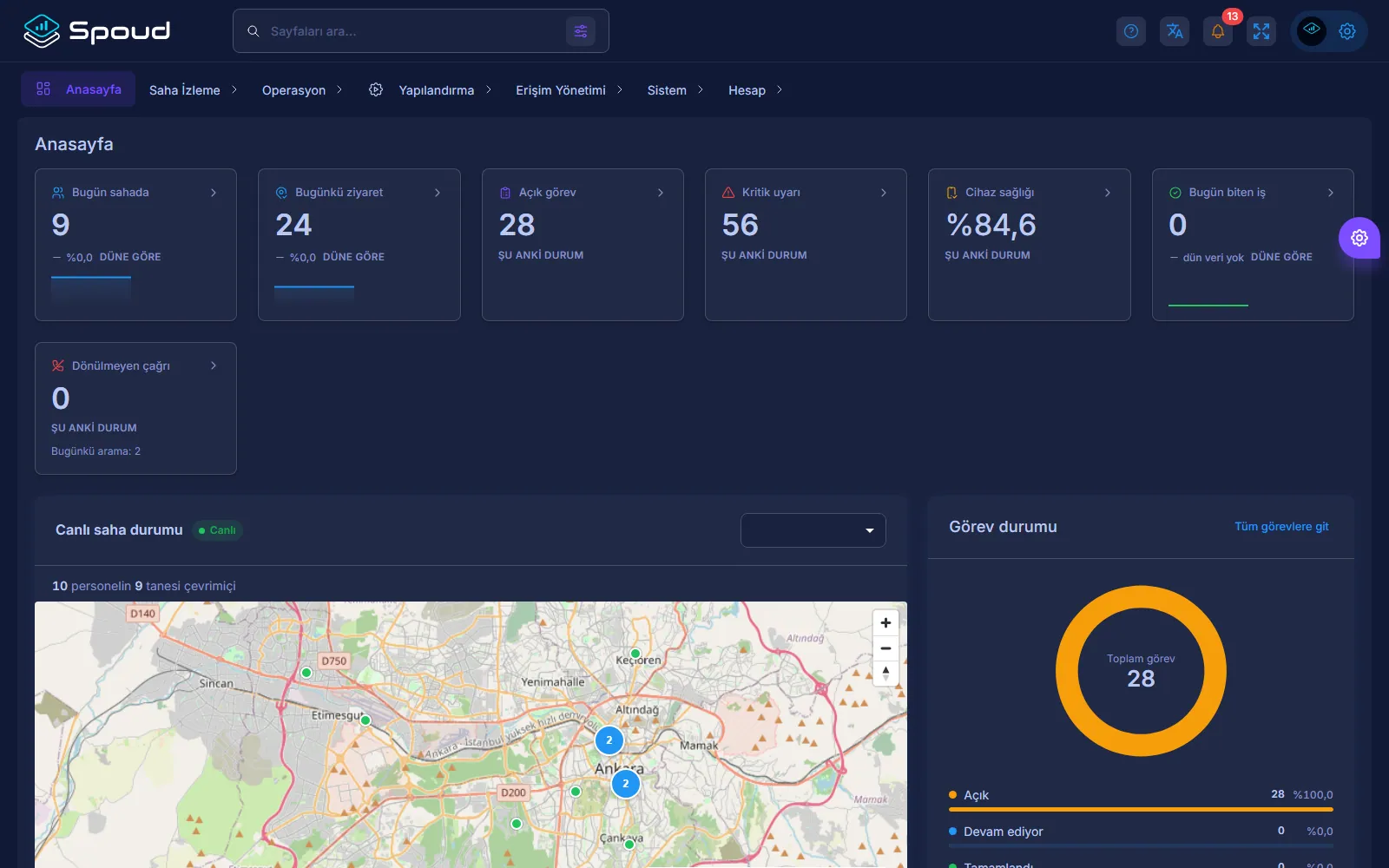
Spoud

A platform that ties field teams' tasks, location and performance to evidence.
TasksLocationPerformance
MobileField app
BackgroundLocation
PhotoEvidence
Spoud — screenshot

Frequently asked

Which camera do we need?

We choose the camera for the job. For some tasks existing security cameras are enough; small defects on fast-moving lines need an industrial camera and proper lighting. The decision is made after the site trial.

Are images sent outside?

Not unless needed. The model can run on a device on site or on an in-house server; where it runs is agreed in writing at the start.

How accurate is it?

Accuracy depends on lighting, the camera and how visible the defect is. That's why we write the acceptance criteria together up front and measure them in real conditions during the pilot; if they aren't met, we don't roll out.

How is personal data protected in images showing people?

Purpose-limited processing, masking and retention periods are set at the start. Person identification isn't done unless required; counting and zone analysis work without identifying anyone.

Let's take the first step in Computer Vision and Object Recognition.

In a short discovery call we'll listen to your needs and share the scope and approach in writing.