Machine Learning · Ankara

Building a prediction model is easy; keeping it right in the field is hard.Machine Learning (ML) Solutions

We develop models for predictive maintenance, demand forecasting and quality prediction. Putting a model into the field is only the beginning; the real issue is noticing when it degrades over time.

Predictive maintenanceDemand forecastingAnomaly detectionQuality predictionData pipelinePerformance monitoring

In machine learning projects, the success criterion is usually set wrong: accuracy on training data. The real question is whether the model performs the same in production — and who notices when it doesn't.

That's why we build its surroundings as carefully as the model: data pipeline, performance monitoring, a retraining routine and a human approval point. Without them, a model quietly becomes unreliable within a few months.

What it covers

Predictive maintenanceWear signals from equipment measurements; moving from calendar-based to condition-based maintenance.
Anomaly detectionCatching deviation from normal — in processes, energy consumption or transaction records.
Forecasting modelsDemand, consumption and duration forecasts. Uncertainty is reported too: a range instead of a single number.
Data pipelinePreparing the data that feeds the model in a regular, repeatable and traceable way.
Performance monitoringContinuous comparison of predictions with real outcomes in the field; degradation raises an alarm.
RetrainingMaking when and with which data the model is refreshed part of the routine.

Bainten screens

Bainten page →
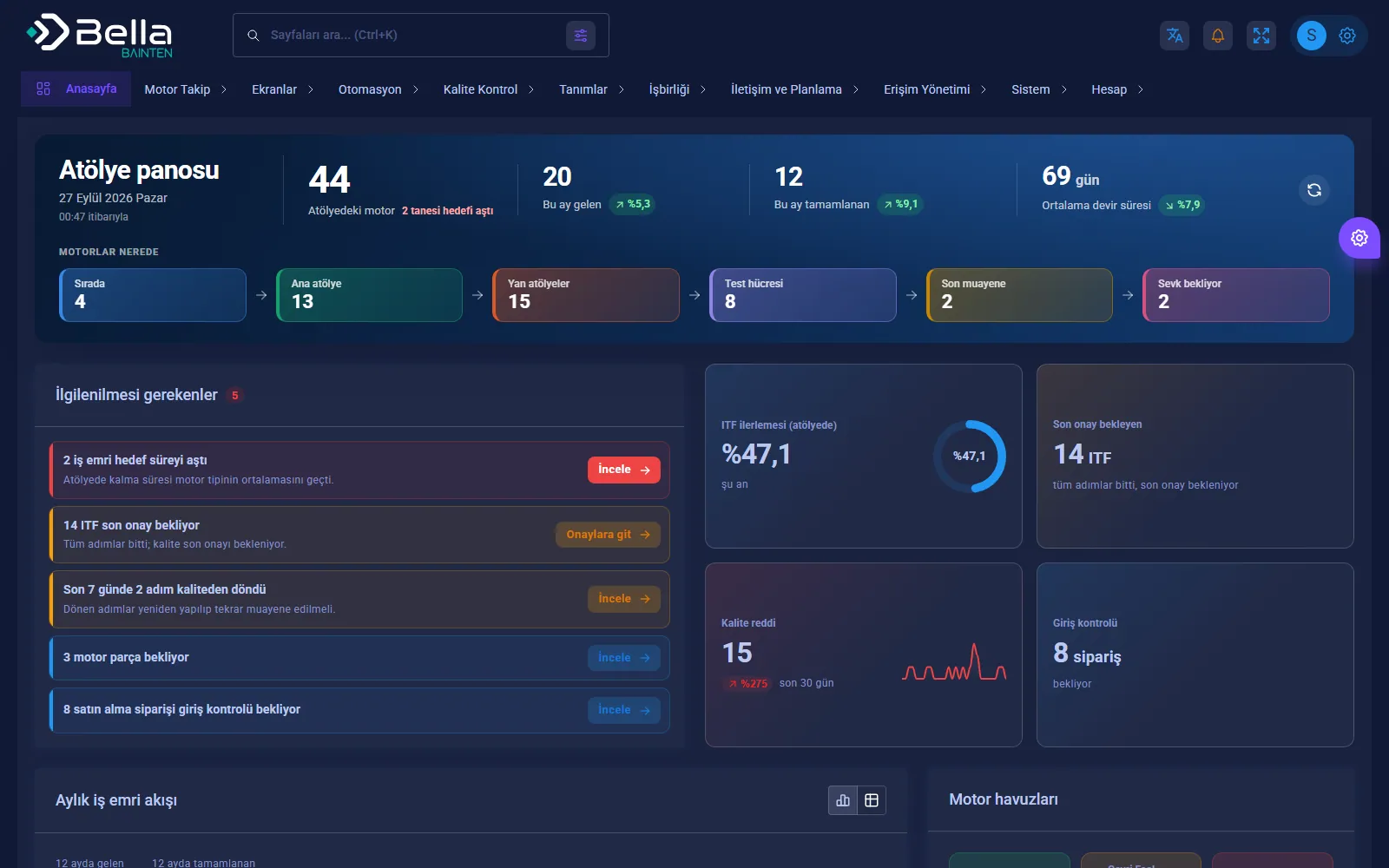
Bainten — Maintenance dashboard
Maintenance dashboard
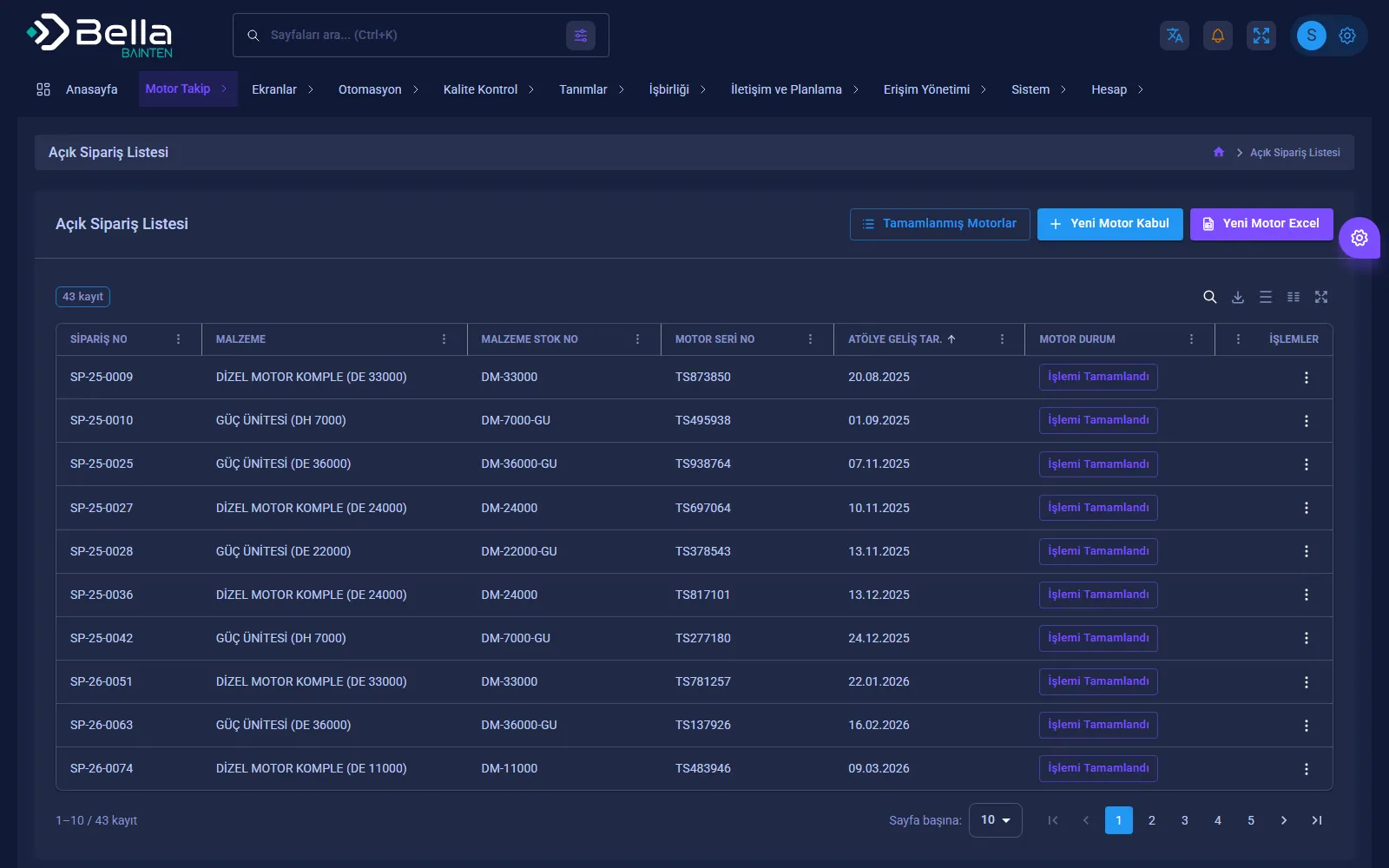
Bainten — Motors in the workshop
Motors in the workshop
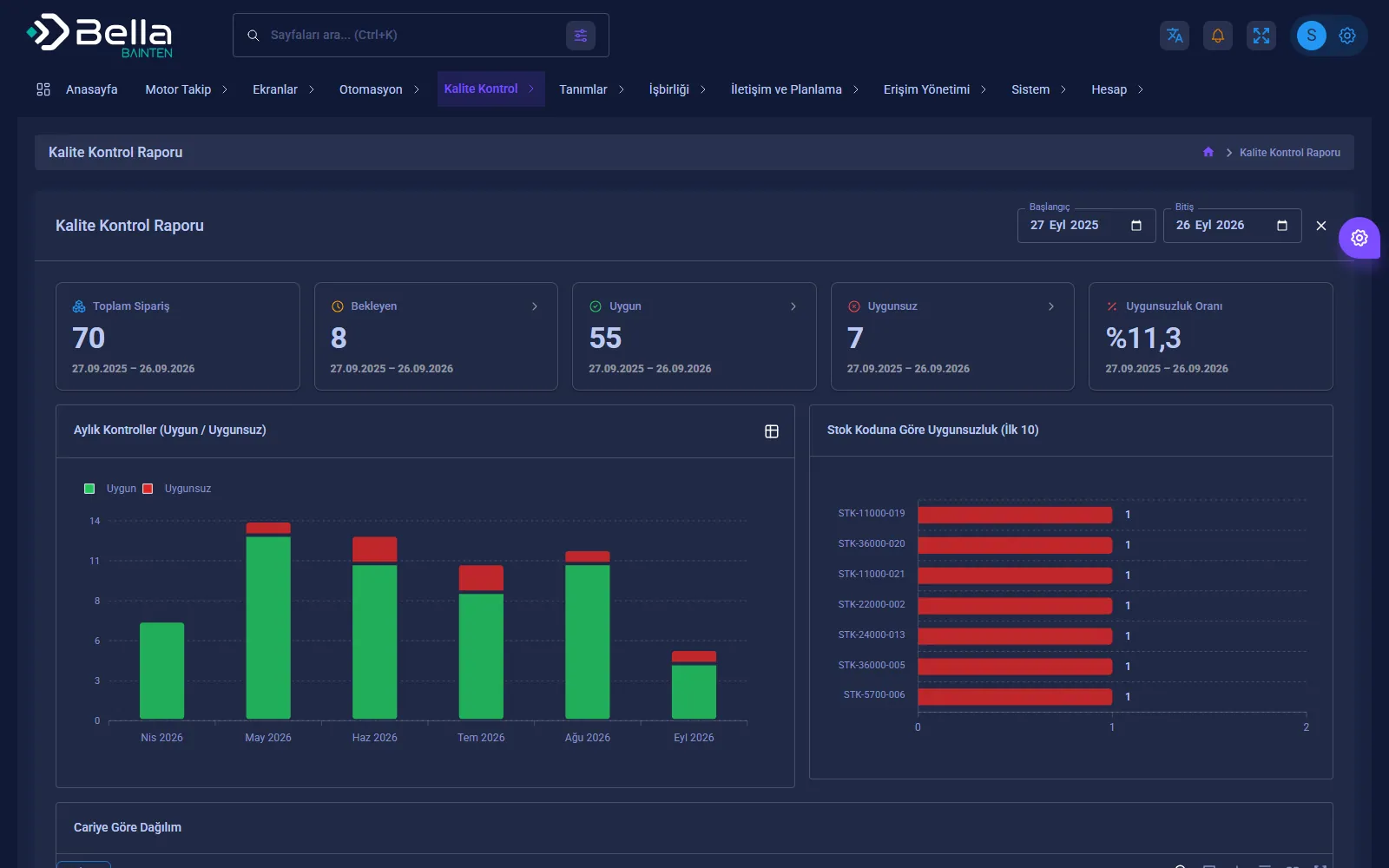
Bainten — Quality report
Quality report
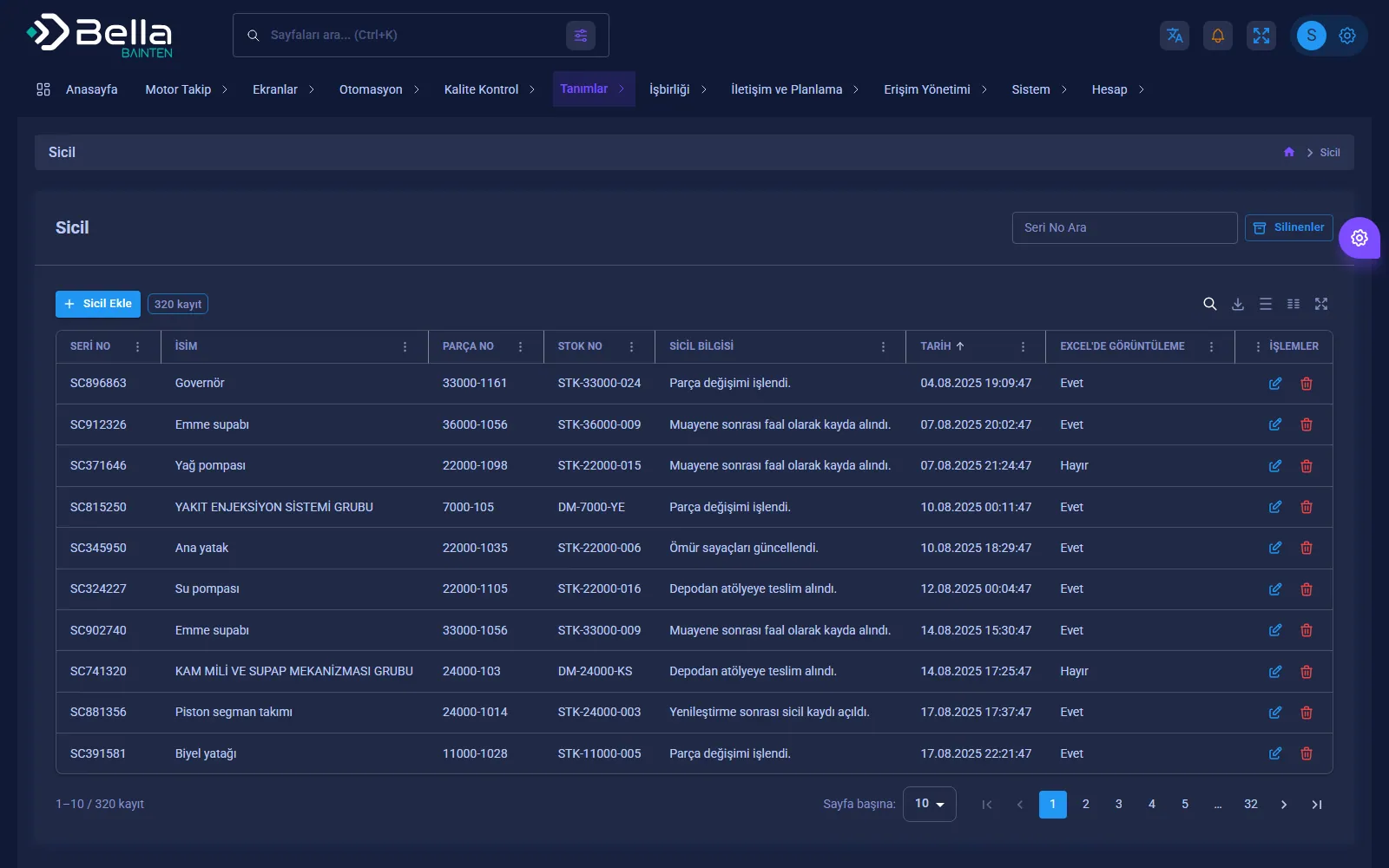
Bainten — Asset register
Asset register

How we proceed

1 · Problem definitionWhat are we predicting, which decision does it feed, and what does an error cost?
2 · Data assessmentIs there enough history, are there labels? Most projects change scope at this step.
3 · BaselineComparison with a simple rule or statistic. If the model can't beat it, there's no need for a model.
4 · Production and monitoringDeployment to the field, performance measurement and the retraining cycle.

Key products for this industry

Maintenance & Asset Management

Bainten

Maintenance management that brings equipment, maintenance plans and failure history together in one place.

Maintenance PlanWork OrderAssets
PeriodicMaintenance
MobileField entry
BarcodeAsset tracking
Bainten — screenshot
Industrial Operations

Bella SCADA

Browser-based real-time monitoring and control for critical infrastructure.
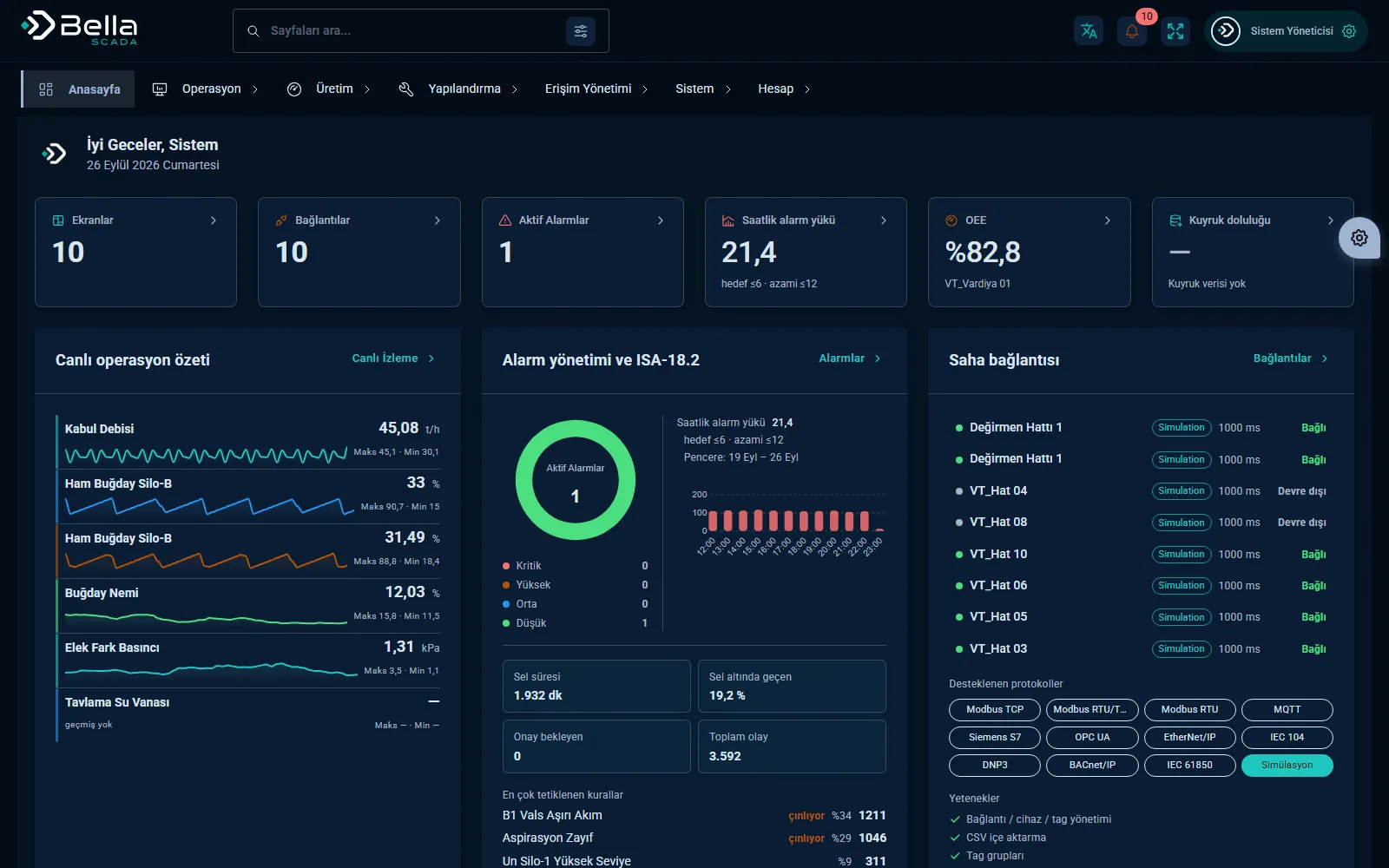
MonitoringControlAlarms
OPC UAProtocol
ModbusField connectivity
WebNo client
Bella SCADA — screenshot
Automotive Analysis

DNAEksper

A system that analyses ECU software files and produces a structured inspection report.
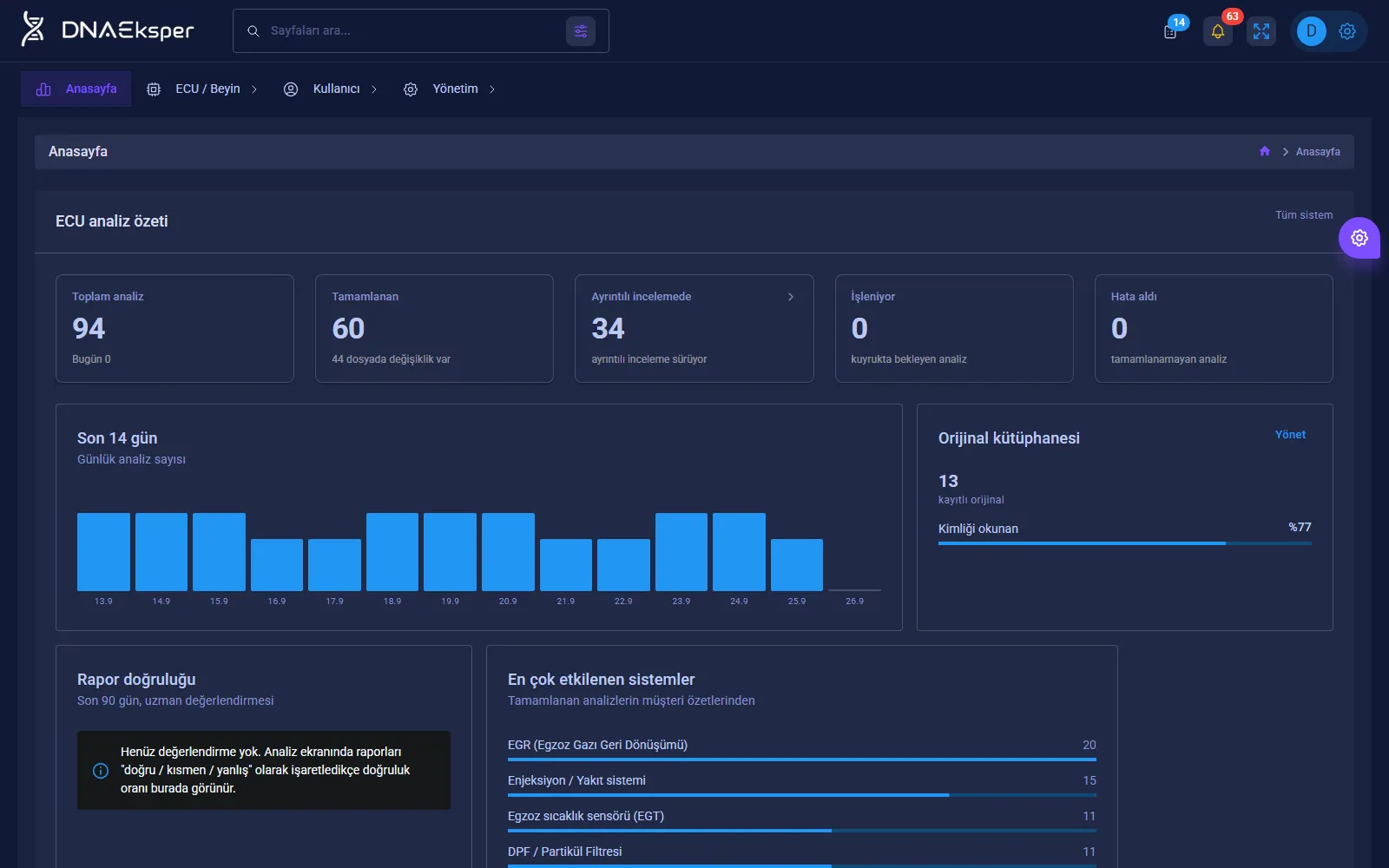
AnalysisIntegrityReport
AutomaticFile analysis
HashIntegrity
WebhookReport delivery
DNAEksper — screenshot

Frequently asked

How much historical data is needed?

It depends on the problem. In predictive maintenance what matters isn't volume but variety: there must be enough real failure examples for the model to learn from. This is measured concretely in the data assessment step.

How do we know the model is useful?

By comparing it with a simple baseline. If it isn't clearly better than the existing rule or expert estimate, the cost of building a model doesn't pay off — and we say so up front.

Let's talk about this.

We'll listen to your current situation and work out together where to start.