
AI

AI Engineering

AI that doesn't stall at the demo: we define the decision to improve and how to measure it, then build the model.

Machine LearningPredictive AnalyticsMLOps & Model OperationsGenerative AIComputer VisionNLP & LLM Integration

Most AI projects stall at the demo stage because the problem isn't defined before the model, and operational reality isn't considered before the data. We start from the other end: which decision will we improve, what data feeds that decision, and how will the result be measured?

Beyond developing models, we also build the environment they live in: data pipelines, versioning, monitoring and feedback. A model that never reaches production creates no business value.

How we work

Use-case discoveryIdentifying the decisions where AI will genuinely make a difference.
Data preparationCombining sources, cleaning and labelling.
Model developmentModel selection that weighs explainability and cost as much as accuracy.
Production rolloutServing, versioning and a rollback plan.
MonitoringTracking model drift, accuracy loss and cost.
In-house capabilityKnowledge transfer and training so your team can take over the system.

What we deliver

  • A discovery report defining the use case and success criteria
  • A data assessment: what exists, what's missing, how clean it is
  • A working model compared against a simple baseline
  • The model served as a service, with version management
  • A performance monitoring dashboard and alert rules
  • Hand-over documentation and training for your team

How we proceed

1 · Decision pointWhich decision the model will feed, and what an error costs, is written down.
2 · Data assessmentHistorical data, labels and quality are measured realistically.
3 · Baseline and modelA model that can't beat a simple rule doesn't go into production.
4 · Production rolloutDeployment within a limited scope, with human approval.
5 · Monitoring and hand-overPerformance is monitored, retraining becomes routine and your team takes over.

When it's the right choice

  • When a repetitive, high-volume decision needs to be made faster or more consistently
  • When information needs to be extracted from unstructured data such as documents, e-mails or images
  • When an event with enough past examples — a failure, a return, a delay — should be anticipated

When it's not the right choice

  • When a simple rule or report gives the same result
  • When there isn't enough historical data for the decision and it can't be collected
  • When the cost of an error is high and no human approval point can be set up

Products we use in this service

Automotive Analysis

DNAEksper

A system that analyses ECU software files and produces a structured inspection report.

AnalysisIntegrityReport
AutomaticFile analysis
HashIntegrity
WebhookReport delivery
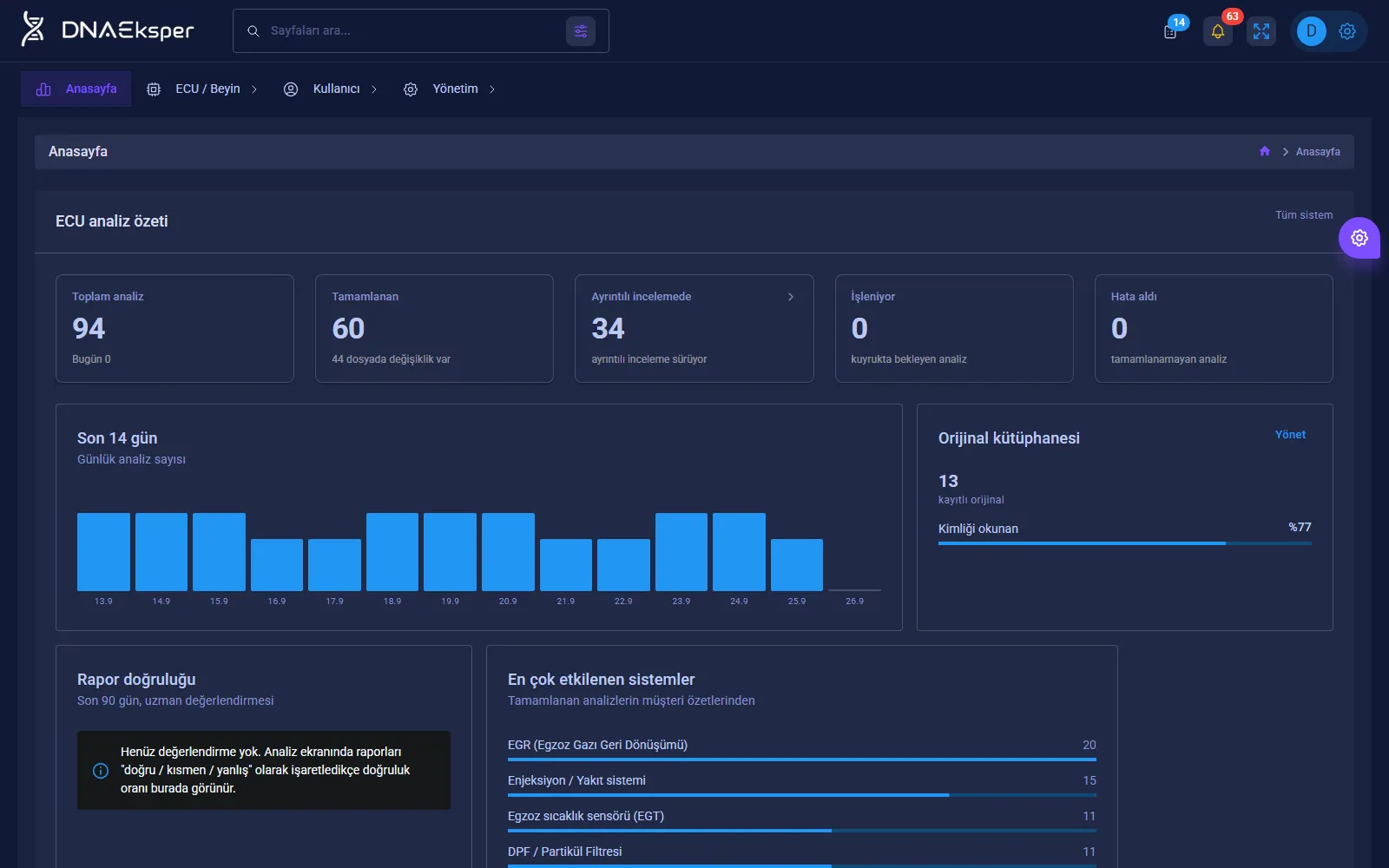
DNAEksper — screenshot
Maintenance & Asset Management

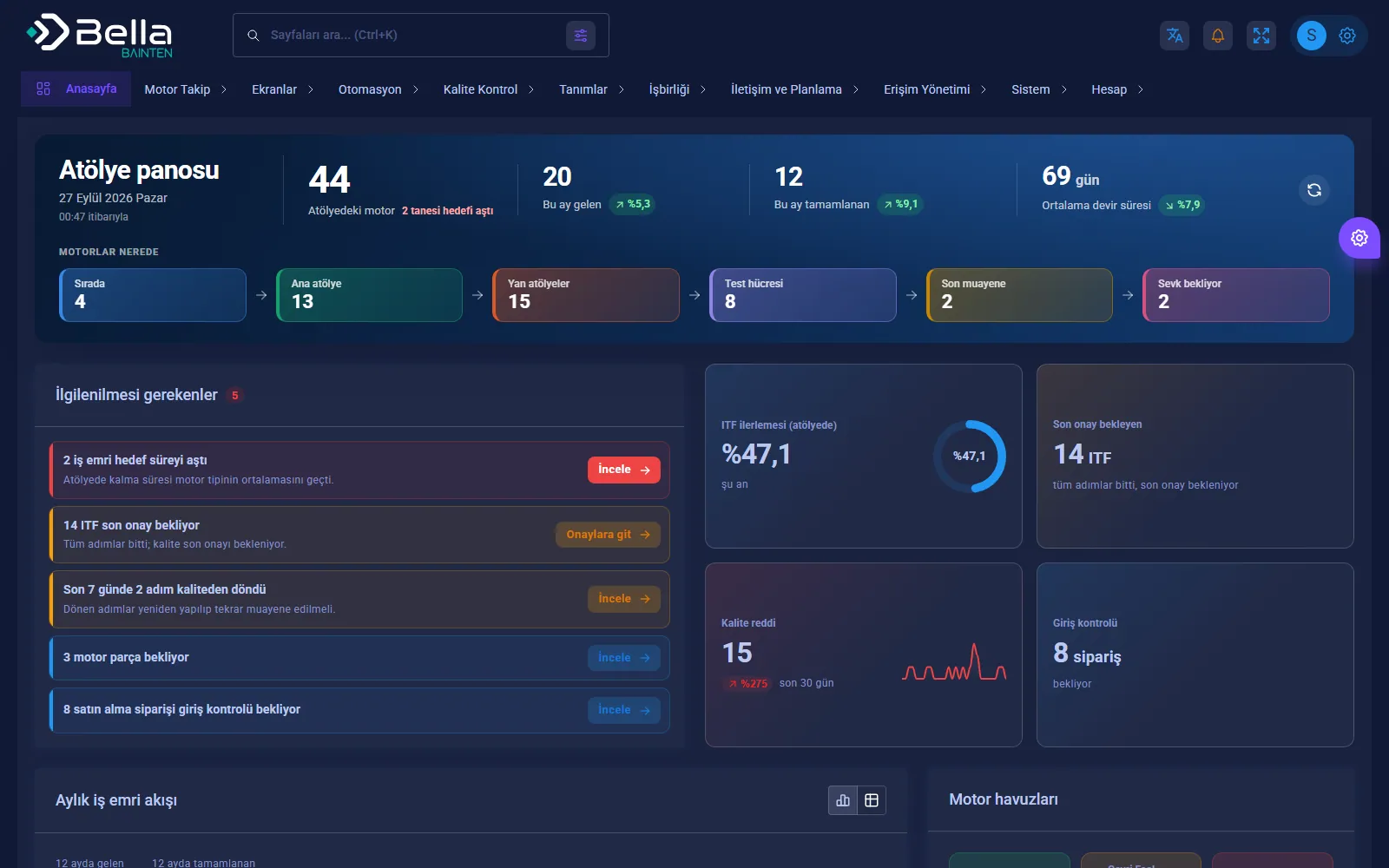
Bainten

Maintenance management that brings equipment, maintenance plans and failure history together in one place.
Maintenance PlanWork OrderAssets
PeriodicMaintenance
MobileField entry
BarcodeAsset tracking
Bainten — screenshot
Industrial Operations

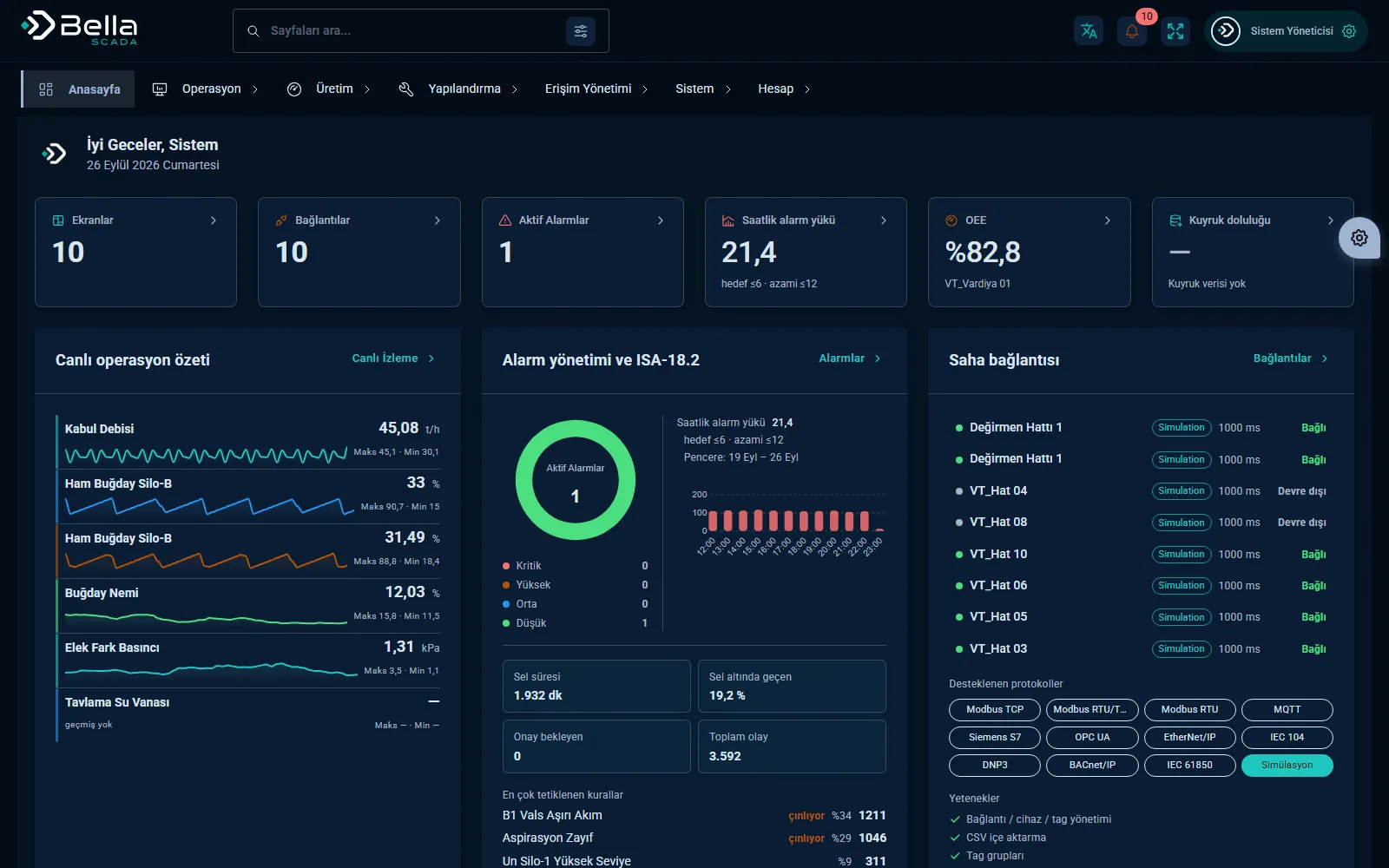
Bella SCADA

Browser-based real-time monitoring and control for critical infrastructure.
MonitoringControlAlarms
OPC UAProtocol
ModbusField connectivity
WebNo client
Bella SCADA — screenshot

Frequently asked

We don't have much data — can we still start?

That's exactly what the data assessment step measures. If it's not enough, we either propose a first phase focused on collecting data or say plainly that a rule-based solution is sufficient instead of AI.

Is data sent to external AI services?

This is set in writing at the start of the project. Where data must not leave, models running on-premise are used.

How long does a project take?

It depends on the scope and the state of the data. We give the timeline in writing, with its reasoning, after the data assessment.

Can our own team manage the model?

That's our goal. The data pipeline, model versions and monitoring rules are documented and handed over.

Let's take the first step in AI Engineering.

In a short discovery call we'll listen to your needs and share the scope and approach in writing.