IoT

IoT Platforms

Connecting a device is the easy part. We build platforms that keep thousands of devices secure, updated and manageable for years.

Device ConnectivityEdge ComputingStreaming DataDevice Health MonitoringRemote MonitoringIoT Analytics

The real challenge in IoT isn't connecting a device, it's keeping thousands of devices secure and manageable for years. Device identity, certificate management, remote updates and preventing data loss when connections drop must be designed in from the start.

By computing at the edge we reduce the data sent to the cloud, cutting cost and latency. And once the data arrives, the job is only half done: the real value lies in analysis and automated action.

How we work

Device managementRegistration, identity, certificates and remote software updates.
Connectivity layerSecure, resilient communication over MQTT and similar protocols.
Edge computingProcessing data at the source to reduce bandwidth and latency.
Data processingReal-time indicators and alarms from streaming data.
Storage and analysisStoring time-series data and analysing it retrospectively.
Automated actionSystems that act on threshold- and rule-based triggers.

What we deliver

  • A measurement definition: what, how often, how accurately
  • Device and gateway configuration
  • Data collection and storage infrastructure
  • Rule and alarm definitions
  • Monitoring dashboards and reports
  • Device health monitoring and operations documentation

How we proceed

1 · Measurement definitionWhat will be measured, how often and how accurately is written down.
2 · Hardware and connectivityProtocol and gateway are chosen to suit environmental conditions.
3 · Pilot installationValidation under field conditions with a limited number of devices.
4 · ScalingAs the number of devices grows, the behaviour of the collection and storage layer is measured.
5 · OperationMonitoring device health and data quality becomes routine.

When it's the right choice

  • When distributed assets need to be monitored remotely
  • When manually read meters and measurements are to be automated
  • When automatic action is needed as soon as a threshold is exceeded

When it's not the right choice

  • When data will be collected but it's clear nobody will look at it — define the decision and the owner first
  • When what will be measured and the target accuracy are unclear
  • When a single device's own display already meets the need

Products we use in this service

Industrial Operations
Bella SCADA

Browser-based real-time monitoring and control for critical infrastructure.

MonitoringControlAlarms
OPC UAProtocol
ModbusField connectivity
WebNo client
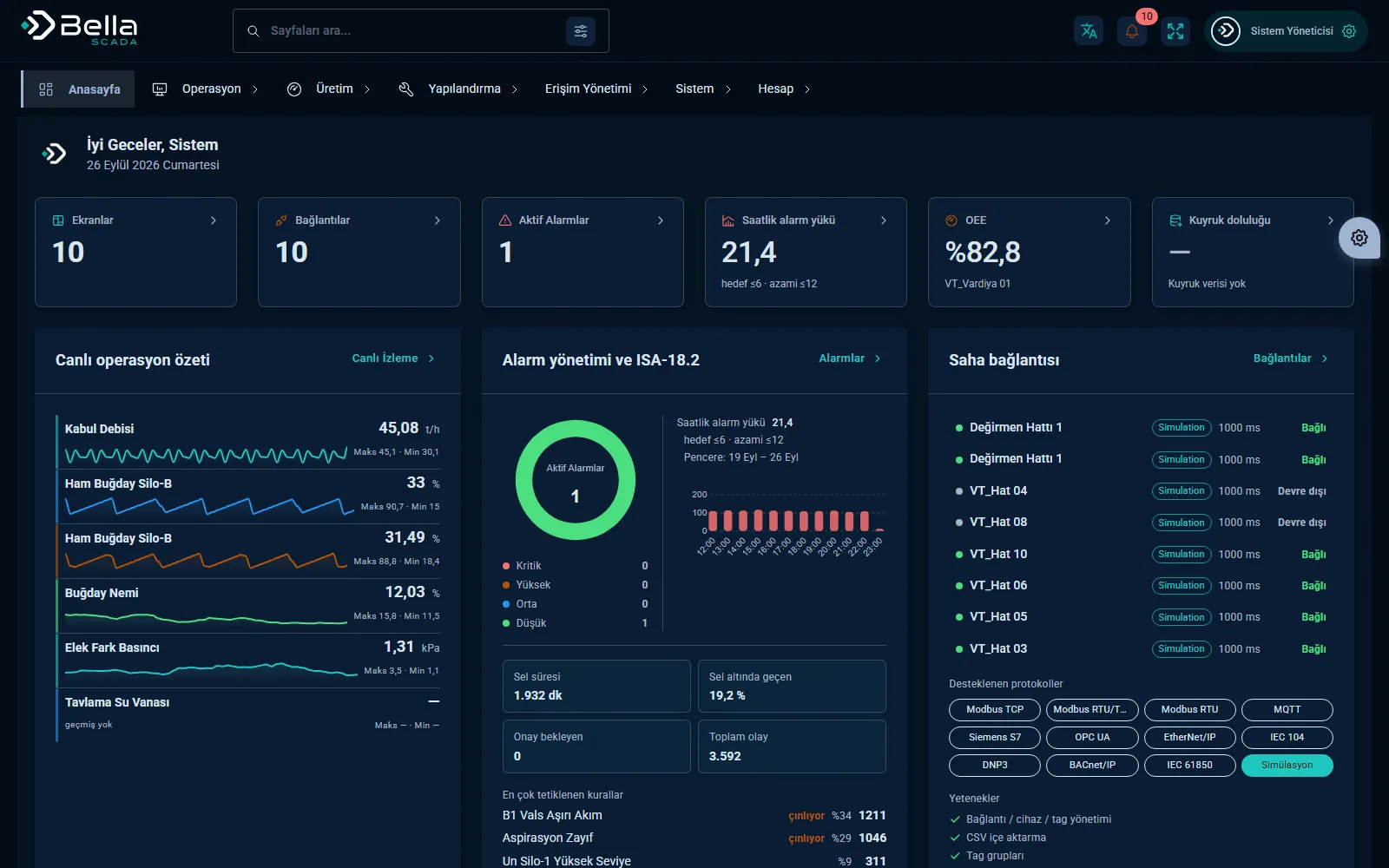
Bella SCADA — screenshot
Maintenance & Asset Management

Bainten

Maintenance management that brings equipment, maintenance plans and failure history together in one place.
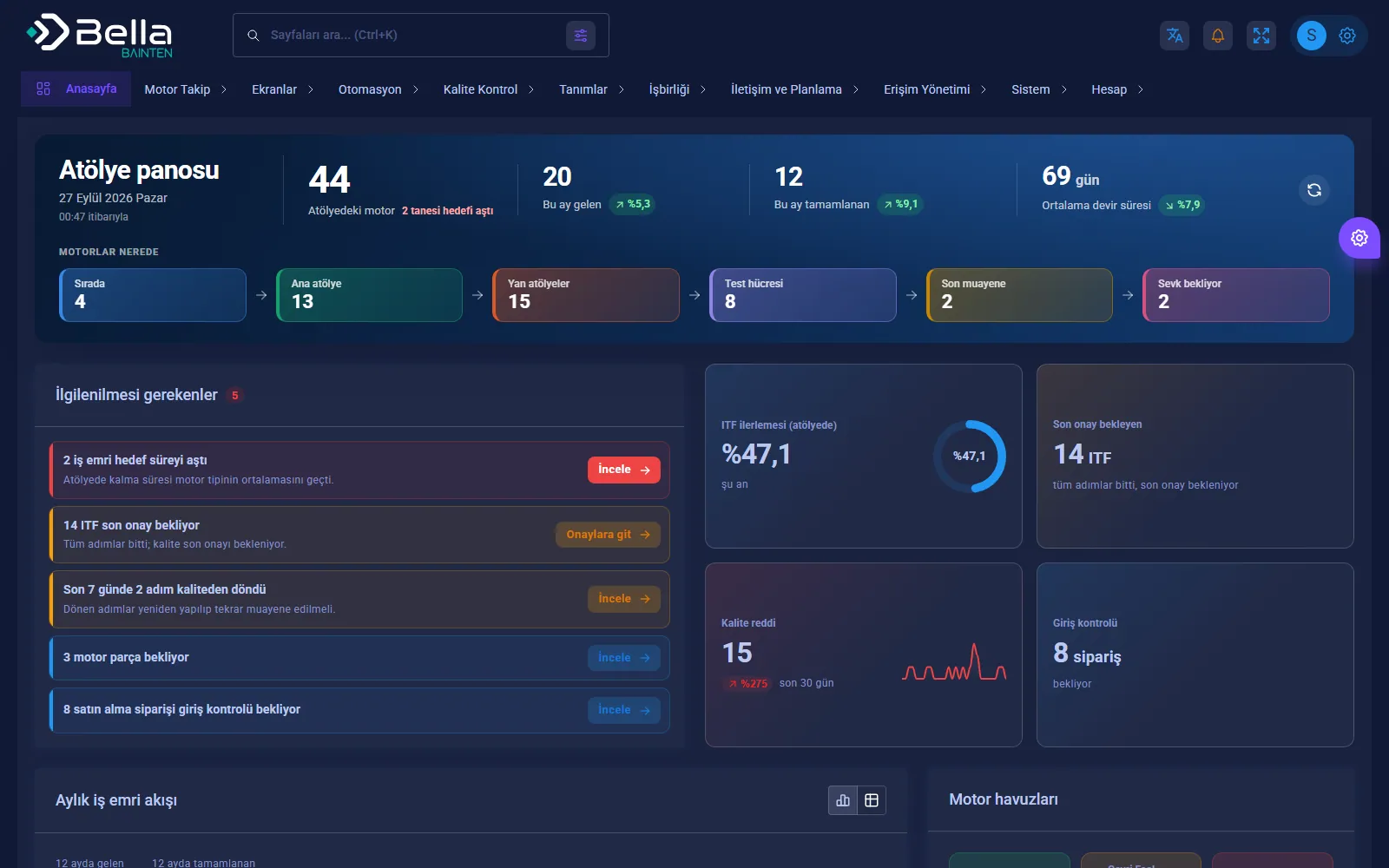
Maintenance PlanWork OrderAssets
PeriodicMaintenance
MobileField entry
BarcodeAsset tracking
Bainten — screenshot
Transport & Fleet Operations

ServisX

A tracking system that brings service vehicles, drivers and parents together on one platform.
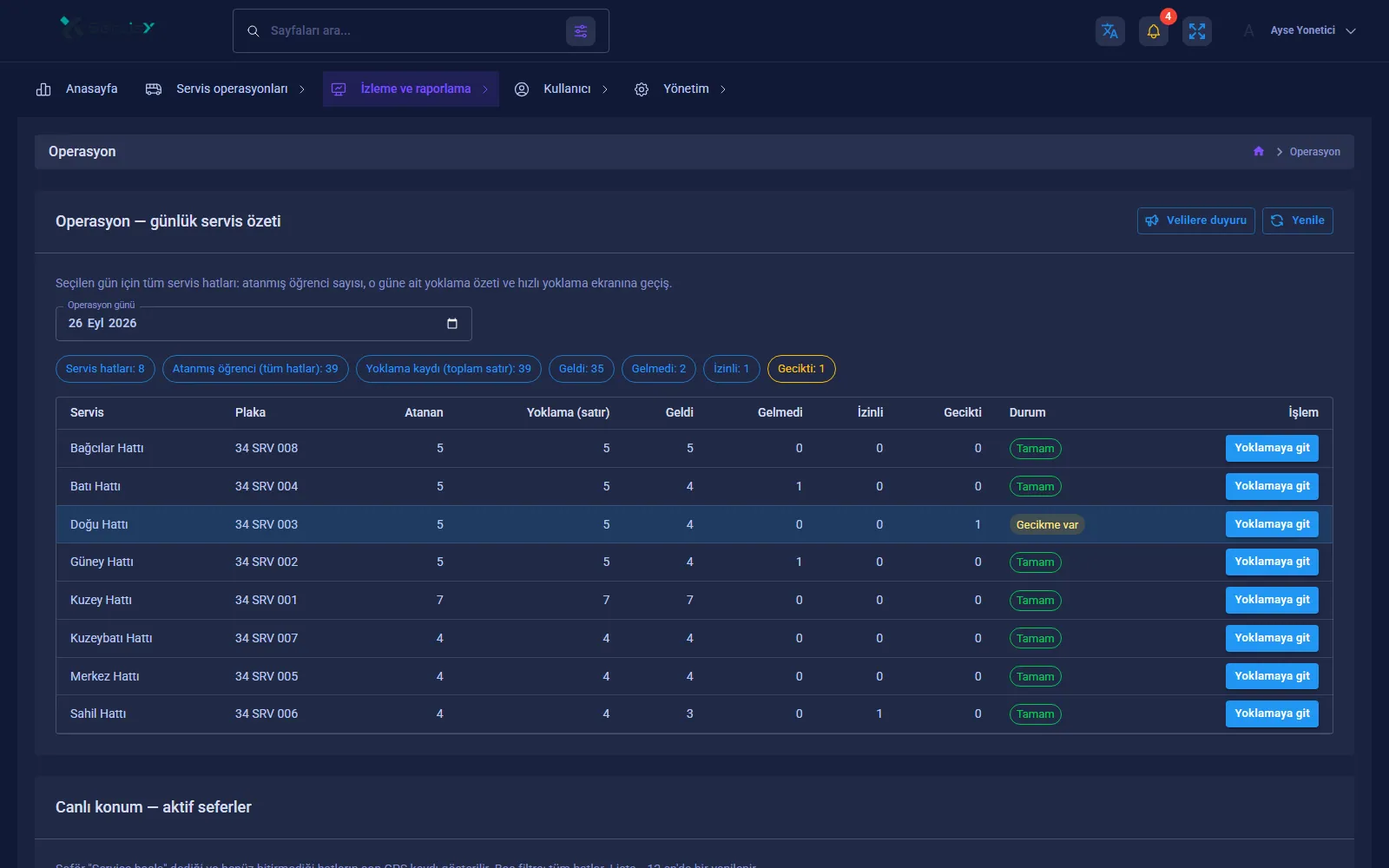
RoutesLive TrackingParent Alerts
LiveVehicle location
AutomaticBoarding / drop-off
PushParent alerts
ServisX — screenshot

Frequently asked

Can battery-powered sensors be used?

Yes; measurement frequency and communication method are chosen to suit battery life. This choice is made in the measurement definition step.

Over which network do devices communicate?

Depending on the site, wired network, Wi-Fi or a mobile line can be used; at critical sites an edge gateway buffers data locally.

Where is the data stored?

On an on-premise server, in the cloud or hybrid; the decision is made together based on regulations and access needs.

How does cost change as the number of devices grows?

Data volume per device is measured during the pilot; before scaling, storage and communication costs are calculated from that measurement.

Let's take the first step in IoT Platforms.

In a short discovery call we'll listen to your needs and share the scope and approach in writing.