Building a prediction model is easy; keeping it right in the field is hard.Machine Learning (ML) Solutions
We develop models for predictive maintenance, demand forecasting and quality prediction. Putting a model into the field is only the beginning; the real issue is noticing when it degrades over time.
In machine learning projects, the success criterion is usually set wrong: accuracy on training data. The real question is whether the model performs the same in production — and who notices when it doesn't.
That's why we build its surroundings as carefully as the model: data pipeline, performance monitoring, a retraining routine and a human approval point. Without them, a model quietly becomes unreliable within a few months.
If this sounds familiar
Maintenance follows the calendar; equipment sometimes fails before its service is due.
Demand or consumption forecasts rely on the intuition of one experienced person.
Quality deviations are noticed only after the product is tested.
A model was built once, but nobody knows whether it still predicts correctly.
What it covers
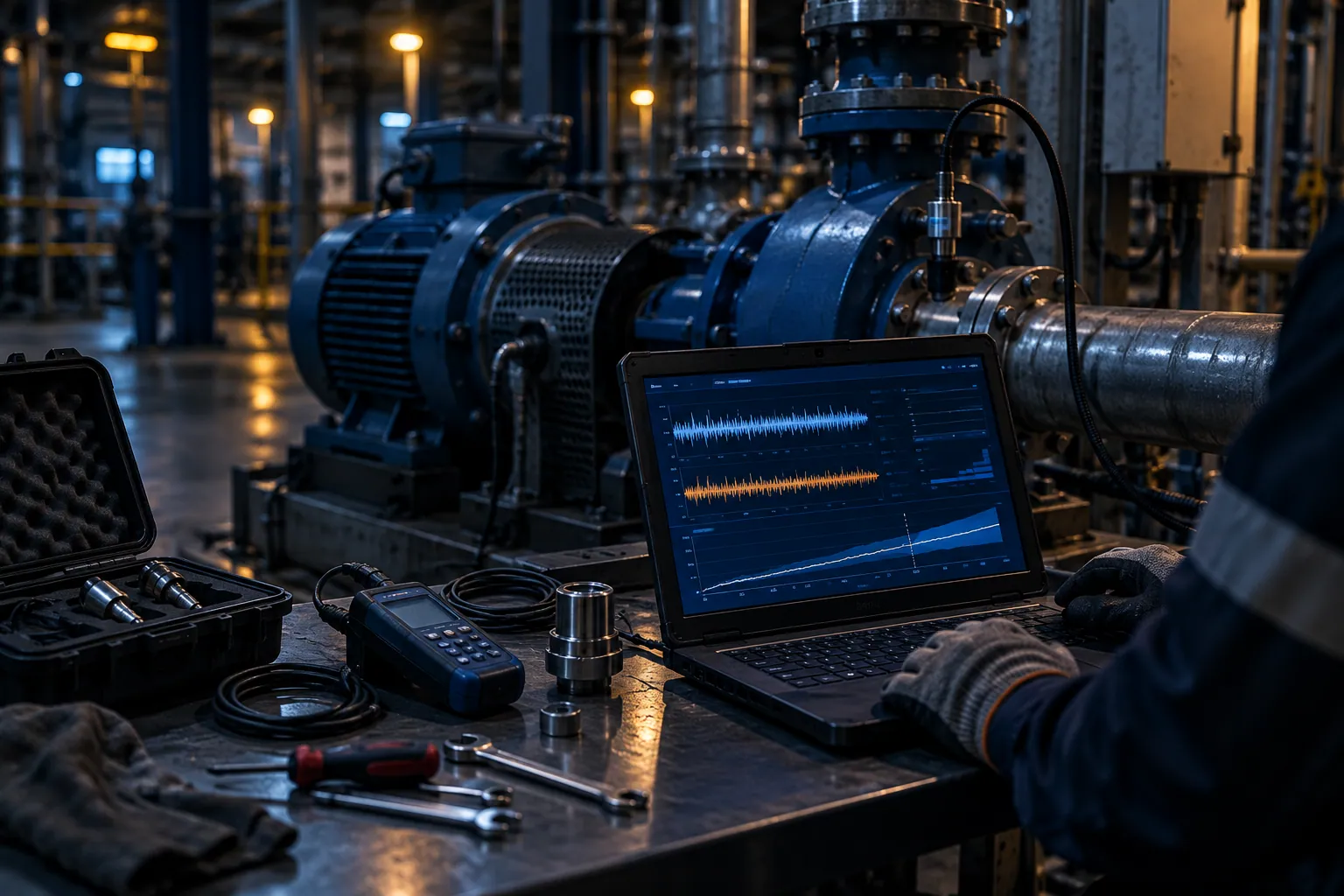
Predictive maintenanceWear signals from equipment measurements; moving from calendar-based to condition-based maintenance.
Anomaly detectionCatching deviation from normal — in processes, energy consumption or transaction records.
Forecasting modelsDemand, consumption and duration forecasts. Uncertainty is reported too: a range instead of a single number.
Data pipelinePreparing the data that feeds the model in a regular, repeatable and traceable way.
Performance monitoringContinuous comparison of predictions with real outcomes in the field; degradation raises an alarm.
RetrainingMaking when and with which data the model is refreshed part of the routine.
Example scenarios
Illustrative examples; the specifics are worked out during discovery at your site.
MaintenanceEarly warning from vibration and currentThe normal behaviour of motor and pump readings is learned; as deviation grows a warning is raised and a work order is suggested to the maintenance team.
PlanningRange-based demand forecastingDemand per product and region is forecast as a range instead of a single number, so planning also sees how large the uncertainty is.
ProcessCatching abnormal consumptionEnergy or raw material use is compared with the value expected under current production conditions; unexplained deviations go up for review.
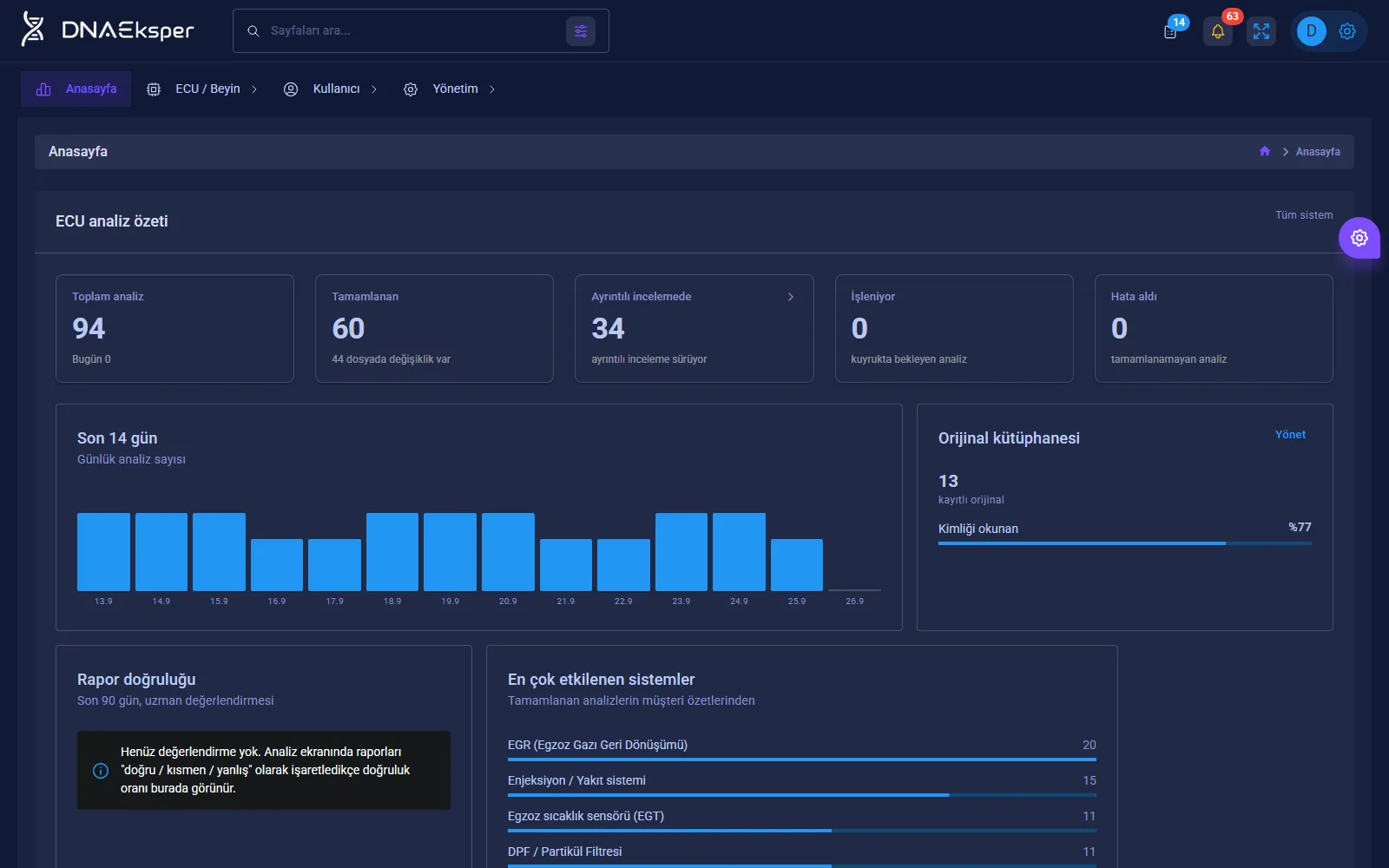
Has the ECU software been tampered with? Upload the file and get a structured inspection report.
AnalysisMatchingReport
AutomaticFile analysis
SHA-256Original matching
WebhookReport delivery
View details
Frequently asked
How much historical data is needed?+
It depends on the problem. In predictive maintenance what matters isn't volume but variety: there must be enough real failure examples for the model to learn from. This is measured concretely in the data assessment step.
How do we know the model is useful?+
By comparing it with a simple baseline. If it isn't clearly better than the existing rule or expert estimate, the cost of building a model doesn't pay off — and we say so up front.
Let's talk about this.
We'll listen to your current situation and work out together where to start.
We'd like to use OpenAI's measurement code to see whether our ChatGPT ad works. If you agree, measurement data is transferred to OpenAI's servers abroad; if not, nothing is sent. Privacy Notice and Cookie Policy